

Table of Contents
Understanding Automated Fulfillment Systems
Automated fulfillment systems help small businesses manage their logistics operations with greater speed and accuracy. These systems connect e-commerce platforms with warehouses and shipping services to handle everything from inventory tracking to order processing. By removing manual tasks, they reduce human error and improve delivery timelines, which is essential for businesses trying to build trust with their customers.
Moreover, using order fulfillment automation can save valuable time. Small businesses often have limited resources, and automation helps teams focus on sales and growth instead of logistics issues. With the rise of e-commerce automation tools and warehouse robotics, even startups can access advanced logistics without building everything from scratch.
How Automation Transforms Small Business Operations
Automation brings a fundamental shift in how small businesses handle logistics. It increases efficiency in fulfillment by minimizing delays, improving order accuracy, and cutting unnecessary steps. As a result, businesses can process more orders without expanding their workforce.
Additionally, process automation allows small teams to compete with larger players. Through logistics innovation, such as barcode scanning, robotic shelving, and real-time dashboards, small business owners gain control over complex operations.
The Role of Technology in Modern Fulfillment
Fulfillment technology has become the backbone of scalable e-commerce. Modern fulfillment software enables automatic syncing between inventory, sales, and shipping systems. These cloud-based logistics tools are affordable, easy to implement, and suitable for businesses of all sizes.
Furthermore, integration tools allow businesses to connect with popular platforms like Shopify, WooCommerce, and Amazon. With proper integration, data flows seamlessly, reducing inventory errors and increasing order accuracy.
Choosing the Right Tools and Partners
Choosing the right tools and fulfillment partners is crucial for success. A reliable partner not only provides storage and delivery but also offers advanced fulfillment solutions tailored to your business model.
The best fulfillment partners understand the needs of small businesses. They offer flexible pricing, dedicated support, and real-time reporting. This helps companies scale quickly while maintaining high service quality. For a great example of a reliable partner, see FiCommerce’s fulfillment services.
Evaluating Fulfillment Software Options
When it comes to selecting order management software, small businesses should look for tools that support automation. Features such as bulk order processing, real-time syncing, and alert systems are essential.
In addition, automation tools must integrate with warehouse management systems (WMS). This ensures that stock levels are always accurate and that shipments go out on time, even during peak seasons.
Partnering with Third-Party Logistics Providers
Outsourcing logistics to a 3PL provider allows small businesses to focus on growth. 3PL services offer warehousing, picking, packing, and shipping as a bundle, eliminating the need for in-house logistics teams.
For small businesses, partnering with the right 3PL means accessing scalable logistics solutions at an affordable rate. It also allows for geographic expansion without investing in physical infrastructure.
Integration and Compatibility Considerations
Fulfillment system integration is essential for smooth operations. A robust system should support API connectivity with your e-commerce, CRM, and accounting tools.
Omnichannel logistics, on the other hand, requires synchronization between multiple sales channels. Whether orders come from your website, a marketplace, or a retail store, they should flow into one centralized system.
Implementing Automation in the Fulfillment Process
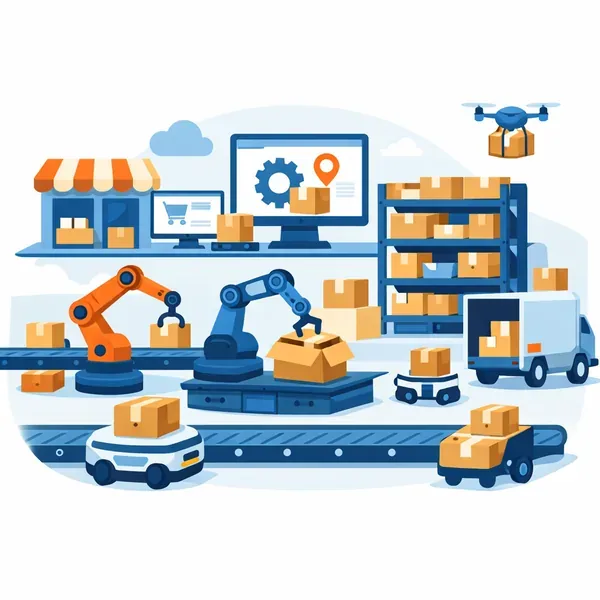
Introducing fulfillment process automation should be a gradual and strategic move. Start with areas that consume the most time or are prone to errors. Digital logistics tools can help streamline order processing, reduce delays, and improve accuracy.
Workflow optimization is another important step. Once your team adopts automation, you’ll be able to measure performance and identify further improvements in operations.
Automating Order Processing and Shipping
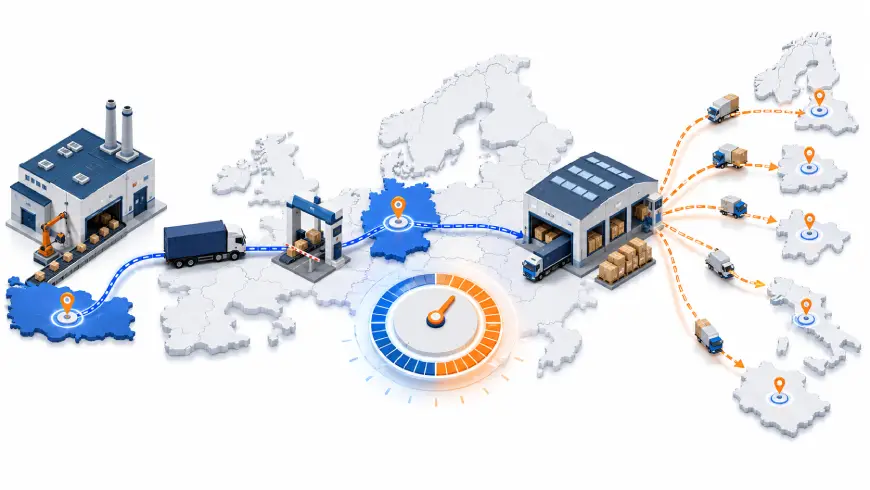
Automated order routing ensures that each order is sent to the right warehouse or fulfillment center based on customer location and inventory availability. This reduces delivery times and shipping costs.
Shipping integration tools connect your system with carriers like UPS, FedEx, or DHL. Automated delivery tracking provides real-time updates to customers, increasing transparency and trust.
Smart Inventory and Warehouse Management
Real-time inventory tracking helps avoid stockouts and overselling. With warehouse automation, items are stored efficiently and picked quickly, reducing time between order and shipment.
Predictive stock management uses historical data to forecast demand. This helps small businesses plan restocking better and avoid excess inventory.
Reducing Manual Tasks with Fulfillment Software
Fulfillment software can replace spreadsheets, emails, and manual tracking. Labor efficiency increases when repetitive tasks are automated, freeing up time for customer service and marketing.
Also, process digitization leads to fewer errors. Orders are processed based on data, not guesswork, which results in more reliable delivery.
Scaling Operations Efficiently
Automation supports business growth by enabling fast, error-free order processing. As your sales increase, fulfillment optimization ensures that your operations can handle the pressure without adding headcount.
Logistics scalability means your systems grow with you. Whether you’re shipping 50 or 5,000 orders a month, the right automation tools keep performance steady.
Building Scalable Fulfillment Infrastructure
To scale efficiently, you need systems that grow with your business. Scalable logistics means adding new warehouses or channels without disrupting operations.
Growth-ready systems often include automation scalability, allowing you to plug in new features, sales channels, or integrations as needed.
Managing Peak Seasons with Automation
High-volume fulfillment during holidays or sales events is much easier with automation. Systems can dynamically prioritize urgent orders, reroute shipments, and alert your team about delays.
Seasonal demand management prevents chaos during busy times. Automation helps balance inventory, coordinate shipments, and avoid customer complaints.
Optimizing Costs While Scaling
Automation reduces labor and shipping errors, which directly cuts costs. Even small improvements in efficiency can lead to significant savings over time.
Logistics cost reduction becomes possible with real-time insights. You can renegotiate shipping rates, reduce storage fees, or switch suppliers more confidently.
Common Challenges in Fulfillment Automation
Despite the benefits, automation can present some challenges. Fulfillment challenges often include high setup costs, compatibility issues, and resistance to change.
Technology limitations may also affect smaller teams. Choosing the wrong system or partner can lead to disruptions in daily operations.
Budget Constraints for Small Businesses
For many small companies, fulfillment automation cost is a barrier. However, the return on investment in logistics becomes visible within months if the solution is implemented correctly.
Investment challenges can be reduced by starting small. Automate one process at a time and reinvest savings into expanding automation.
Adapting to New Technologies
Introducing new tools requires training employees and system onboarding. It’s crucial to prepare your team and ensure they’re comfortable with the changes.
Technology adoption also needs a clear plan. Start with pilot programs before going all in. This minimizes disruption and builds internal confidence.
Maintaining Service Quality During Automation
Automation shouldn’t sacrifice service quality. To maintain high customer satisfaction, you must constantly test and review your systems.
Delivery accuracy and process consistency should improve with automation. Set benchmarks and monitor performance to keep service levels high.
Benefits of Automated Fulfillment for Small Businesses
Automation brings clear fulfillment advantages. From reducing costs to improving customer service, the benefits are significant.
Moreover, small business growth becomes more manageable. You can focus on strategy instead of worrying about missed deliveries or inventory errors.
Saving Time and Reducing Labor Costs
With process efficiency, teams spend less time on manual work. Tasks like labeling, packaging, and tracking can be done automatically.
Labor reduction means you can operate with a leaner team. This helps allocate resources toward growth-focused activities.
Enhancing Order Accuracy and Delivery Speed
Fast fulfillment builds trust. Automated systems eliminate common shipping mistakes, ensuring each customer receives the right product.
Accurate shipping also reduces returns and complaints. The result is a better overall customer experience.
Boosting Scalability and Flexibility
Scalable fulfillment helps businesses expand without stress. You can add products, enter new markets, or launch campaigns with confidence.
Adaptive logistics systems adjust based on demand. Whether you scale up or down, your fulfillment process remains stable.
The Future of Fulfillment Automation for SMEs
The future of fulfillment lies in intelligent automation. AI in logistics and robotic systems will redefine how small businesses operate.
Sustainable automation will also gain importance, with eco-friendly practices becoming essential for consumer trust.
Artificial Intelligence and Predictive Fulfillment
AI fulfillment tools analyze customer behavior and purchase patterns. This enables demand forecasting and smarter inventory decisions.
Intelligent logistics also helps in automating communication, handling returns, and optimizing delivery routes. For more on AI in logistics, visit Wikipedia’s overview.
Robotics and Warehouse Automation
Warehouse robotics are already transforming fulfillment. Automated picking systems reduce errors and increase speed, especially for high-volume sellers.
Robotic logistics allow 24/7 operations. Small businesses can now deliver faster without increasing overhead.
Sustainable and Green Fulfillment Solutions
Eco-friendly fulfillment is no longer optional. Consumers expect green logistics from the brands they support.
Sustainable automation includes paperless systems, energy-efficient robots, and smart routing to reduce carbon emissions.