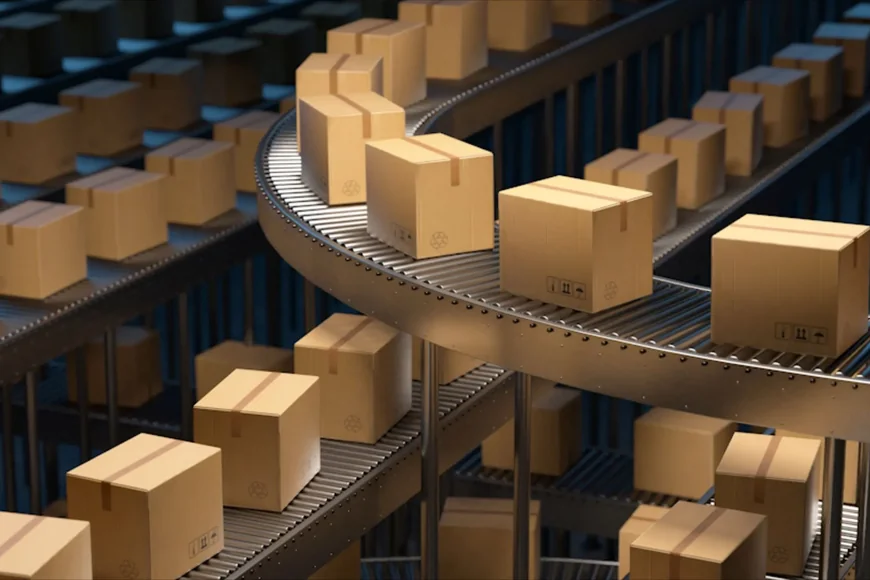

Selling online has become relatively easy; the real challenge begins after the customer clicks the “Buy” button. From locating the correct product in stock to packing, preparing the shipment, tracking delivery, and managing returns when necessary, the post-purchase journey involves many interconnected steps. This entire operational chain is called fulfillment. In short, fulfillment refers to the end-to-end management of all preparation processes from the moment an order leaves the warehouse until it reaches the customer.
So why is it important to correctly answer the question “What is fulfillment?” Because fulfillment is not just an operational task—it is a foundational infrastructure for customer experience (CX), cost control, and scalable growth. In this article, we’ll explore what fulfillment is, how it works, which steps it includes, and the advantages it provides to brands from the fiCommerce perspective. For a broader overview of services and fulfillment models, you can also visit our fulfillment page.
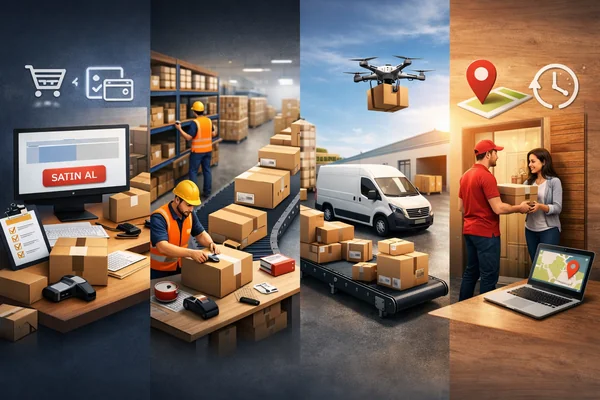
Table of Contents
What Does Fulfillment Mean in E-Commerce?
In e-commerce, fulfillment encompasses all operations starting from order receipt: picking products from the warehouse, packing them, preparing shipments, labeling, dispatching, and often managing return processes. Many people confuse fulfillment with “shipping,” but shipping is only the transportation stage. Fulfillment, on the other hand, covers all pre-shipping preparation and operational management.
In modern e-commerce, fulfillment goes far beyond warehouse activities. Integrations, real-time inventory updates, order status notifications, performance KPIs, and customer communication are all part of a strong fulfillment operation. That’s why fulfillment is fundamentally about building a system that supports growth—one that depends on processes and technology rather than individuals.
What’s the Difference Between Fulfillment and Shipping?
Fulfillment is the preparation of an order; shipping is the transportation of that order. Fulfillment ensures the right product is packed correctly and handed over to the carrier without issues; the shipping company then delivers the package to the customer. If something goes wrong during fulfillment—incorrect labeling, missing items, poor packaging—even the best shipping service cannot save the customer experience.
Understanding this distinction helps pinpoint where problems actually occur. Delivery delays are often caused not by carriers, but by late dispatch from the warehouse. Similarly, complaints about damaged packages often stem from packaging standards rather than transportation itself. That’s why fulfillment and shipping must be managed as a cohesive whole—while clearly separating responsibilities.
Why Is Fulfillment a Strategic Function?
Fulfillment may seem like a “back-office” operation, but it directly impacts sales performance. Fast delivery, accurate order fulfillment, transparent tracking, and easy returns strongly influence repeat purchases. As a result, fulfillment plays a major role in customer satisfaction, brand perception, and review scores.
Fulfillment also defines the cost structure of an operation. Incorrect shipments, re-shipments, excessive packaging, and inventory inconsistencies are hidden cost drivers that erode profitability. Well-designed fulfillment processes reduce friction and make operations measurable, enabling sustainable growth.
How Does the Fulfillment Process Work?
A typical fulfillment process begins when an order enters the system and ends when the package is handed over to the carrier. The most critical factor here is standardized workflows. Standardization means speed, quality, and scalability. When order volume increases, success depends not on “working harder,” but on having a better system.
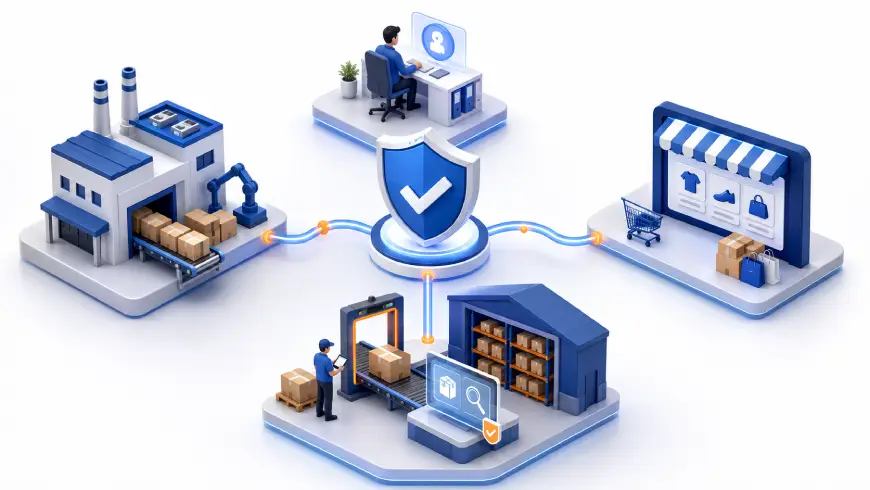
Technology and process discipline are the backbone of effective fulfillment. Systems such as WMS and OMS improve inventory accuracy, optimize picking routes, reduce errors through barcode verification, and expose bottlenecks through reporting. This transforms order preparation from a person-dependent task into a measurable, improvable system.
1) Order Receipt and Validation
The process starts when order data flows from e-commerce platforms (Shopify, WooCommerce, marketplaces, etc.) into the fulfillment system. Payment confirmation, address validation, and product availability checks occur at this stage. When properly configured, these controls are automated, significantly reducing manual workload.
A smooth order intake enables better warehouse planning. Cut-off times, same-day dispatch targets, and carrier scheduling are defined here. Therefore, accurate and fast order entry elevates overall fulfillment performance.
2) Picking (Product Retrieval)
Picking is one of the most critical fulfillment steps because mistakes are costly: sending the wrong product leads directly to returns, re-shipments, and customer dissatisfaction. Warehouse layout, shelf planning, and barcode systems make a major difference. Proper product placement reduces walking distance and increases speed.
Modern warehouses support picking with barcode validation, pick-to-light systems, or mobile guidance. The goal isn’t just to pick fast—it’s to pick fast and accurately. If you want to improve fulfillment quality, picking discipline must be at the core of your operations.
3) Packing and Shipment Preparation
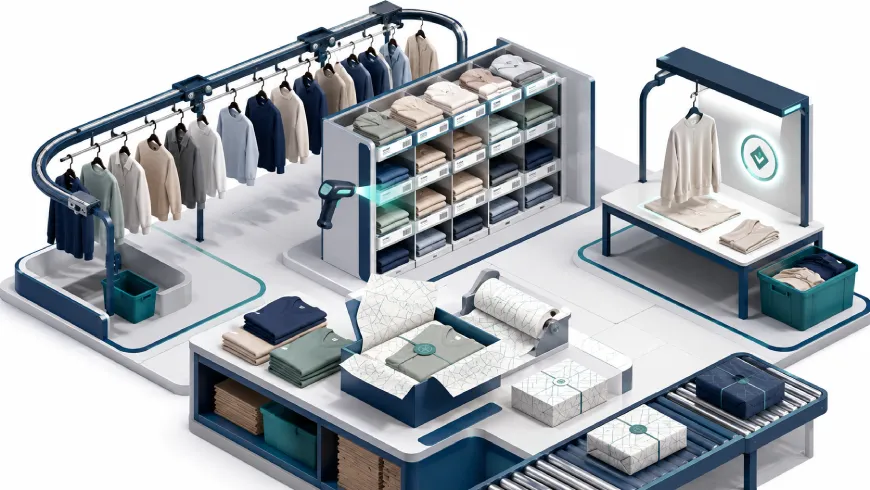
Packing is more than placing items into a box. It includes selecting the right box size, applying protective standards, handling invoices and packing slips, adding inserts, and labeling correctly. Proper packing reduces damage risk and lowers return costs. It also influences brand perception through the unboxing experience.
At this stage, accurate label printing, correct carrier selection, and appropriate service levels are crucial. Integrations play a key role here: automated label printing, carrier rules, and sending tracking links to customers reduce post-dispatch confusion.
4) Dispatch and Delivery Tracking
Once a package is handed over to the carrier, the process moves into the shipping phase—but fulfillment doesn’t end there. From the customer’s perspective, the experience continues. Tracking updates, delivery estimates, delay notifications, and support interactions define the delivery experience.
Transparent communication significantly improves customer satisfaction. Delays may be unavoidable, but proactive communication prevents unpleasant surprises. That’s why fulfillment and customer communication should be considered parts of the same system.
Fulfillment Models: In-House, 3PL, and Hybrid
How you execute fulfillment depends on your business model. Some brands manage fulfillment internally (in-house), others work with third-party logistics providers (3PL), and some adopt a hybrid approach. Each model has advantages and drawbacks; the right choice depends on product type, order volume, target markets, and growth strategy.
A common mistake is choosing a model based solely on price. Total cost includes error rates, support workload, return costs, delivery performance, and flexibility. Fulfillment decisions must be grounded in operational reality.
When Does In-House Fulfillment Make Sense?
In-house fulfillment is suitable for brands that need high control and customization. You manage packaging standards, brand experience, and inventory directly. This is especially valuable for high-margin, fragile, or custom-packaged products.
However, in-house fulfillment comes with high fixed costs: warehouse space, staff, equipment, process design, and system setup. Managing capacity during fluctuating order volumes can be challenging. It’s the right choice only when operational maturity and resources are sufficient.
When Is 3PL Fulfillment Advantageous?
Working with a 3PL is ideal for brands that want to launch quickly and scale easily. Without building a warehouse or growing a team, you gain access to a professional infrastructure. As order volumes increase, capacity scales more smoothly—and peak periods become more manageable.
The key factors here are integration and transparency. A strong 3PL provides performance reporting, SLAs, process visibility, and clear communication. This allows you to improve operational quality without losing control. For a deeper look at models and approaches, visit the fulfillment page.
Why Is the Hybrid Model Gaining Popularity?
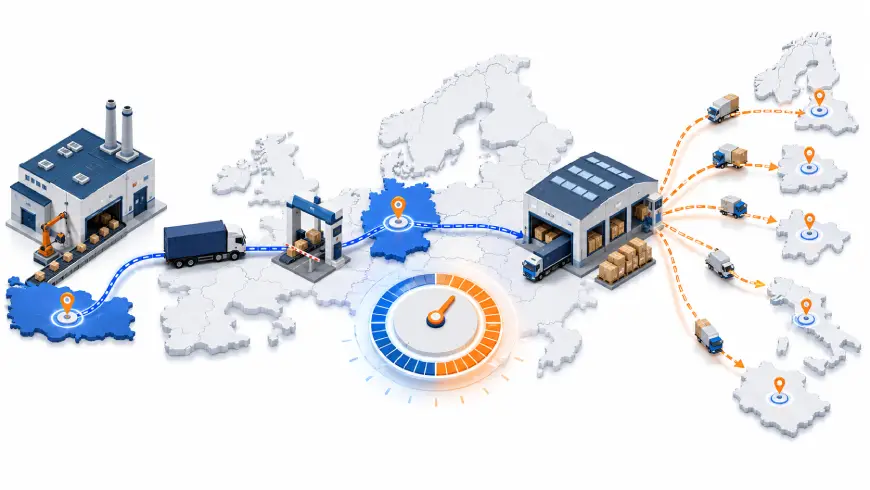
Hybrid fulfillment solves the “balance” problem many brands face: some products or channels are handled in-house, others via 3PLs. Fast-moving SKUs might be fulfilled by a 3PL, while custom-packed items stay internal. Local orders may be handled in-house, while international orders leverage a 3PL network.
This approach creates a smarter balance between cost, speed, and control. While it increases management complexity—requiring tighter integrations, inventory allocation, and reporting—it offers a powerful strategy for growing brands when designed correctly.
The Impact of Good Fulfillment on a Brand
Fulfillment performance is one of the strongest determinants of brand perception. Even a great product can be undermined by late deliveries, incorrect items, poor packaging, or difficult returns. Fulfillment acts as an infrastructure that protects your marketing spend by retaining customers through experience.
Strong fulfillment also enables data-driven management. Metrics such as order accuracy, on-time dispatch rate, return rate, inventory accuracy, and cycle time allow you to measure and improve operations. What you measure, you can optimize—and optimization fuels growth.
Customer Satisfaction and Repeat Purchases
Customers often remember the experience more than product specifications. Fast delivery, correct items, and clear tracking build trust. That trust leads to repeat purchases and recommendations. In other words, fulfillment has a direct revenue impact.
A good fulfillment experience also reduces support tickets. Fewer “Where is my order?” or “Wrong item received” inquiries lower customer service workload—cutting costs while strengthening CX.
Cost, Error Rates, and Operational Efficiency
Viewing fulfillment cost only as “cost per package” is misleading. Total cost is shaped by errors, re-shipments, cancellations, returns, and damage. As error rates decrease, both costs and operational stress decline—making the system more predictable.
Efficiency is not just about speed. Proper warehouse layout, solid integrations, and well-designed workflows enable higher order volumes with the same team and lower error rates. This is the foundation of scalability.
Where Is Fulfillment Technology and Automation Headed?
Fulfillment is rapidly moving toward automation and data-driven decision-making. Real-time inventory visibility, automated order routing, predictive planning, and performance dashboards are no longer luxuries—they’re competitive standards. The goal is clear: faster, more accurate, and more transparent operations.
AI-powered forecasting, anomaly detection, and warehouse robotics will become increasingly common. But remember: technology accelerates good processes. Automating broken processes only amplifies complexity.
Practical Steps to Get Started with Fulfillment
Start by measuring your current operation: inventory accuracy, order accuracy, dispatch time, return rate. Then identify bottlenecks—is picking slow, packing inconsistent, or integration unreliable? This analysis shows where improvement should begin.
Next, document and enforce standards: packaging guidelines, labeling rules, return procedures, and quality checkpoints. Finally, focus on integration and visibility—order flow, inventory synchronization, and tracking notifications. These fundamentals determine performance regardless of which fulfillment model you choose.