

As your e-commerce business grows, the number of processes you need to manage also increases. Orders from marketplaces, information that needs to be sent to shipping companies, invoices to be issued, and accounting records to be processed often require different platforms and manual steps. These manual tasks can lead to time loss, operational errors, and a business structure that becomes harder to scale.
This is where e-commerce integration comes in. It enables different systems to communicate with each other automatically, helping brands speed up operations and reduce the risk of errors. In this article, we explain how invoice, accounting, and shipping integrations benefit e-commerce brands and how fiCommerce supports these processes with its infrastructure.
Table of Contents
Why Is Integration So Important in E-Commerce?
For a brand receiving 50 orders per day, manual operations may seem manageable. However, when that number reaches 500 orders, which can happen faster than expected for successful brands, repetitive manual tasks can become one of the biggest bottlenecks in the operation.
A typical day in an e-commerce operation without integration looks like this: Orders from marketplaces are checked one by one and entered manually into the shipping system. A separate invoice is issued for each order, or data must be combined for bulk invoicing. The same information is processed again for accounting records. Stock updates are delayed, and incorrect inventory information may occasionally appear on marketplaces.
The cost of this process for employees, including working hours, attention required, and error management, becomes one of the most important operational barriers to growth.
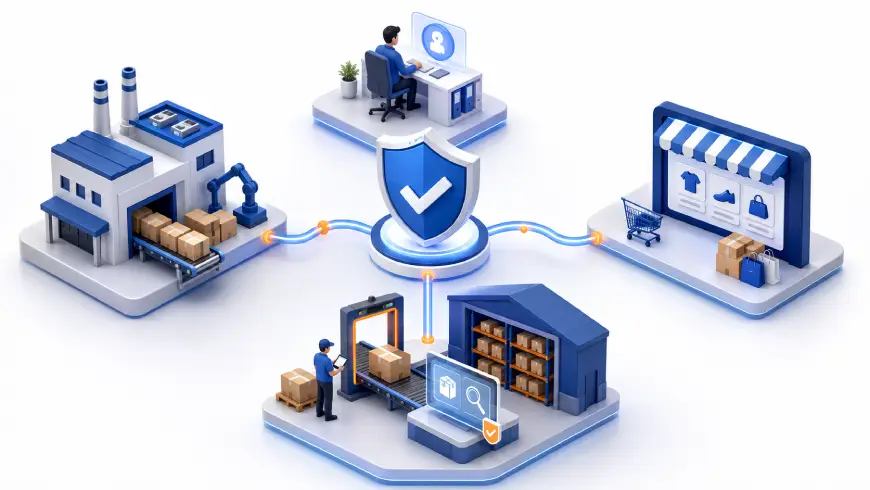
In an integrated infrastructure, the process works differently. The order comes from the marketplace into the system, is automatically transferred to the shipping company, a barcode is created, an e-invoice is issued, and the accounting record is processed. Human intervention is only needed in exceptional cases.
Invoice Integration: From Legal Requirement to Operational Advantage
Every seller operating in e-commerce must document their sales. In Turkey, businesses that exceed certain turnover thresholds are required to switch to e-invoice and e-archive applications in line with the regulations of the Revenue Administration. This requirement alone creates a need for invoice integration.
What Does Invoice Integration Do?
Invoice integration is a system that automatically creates an e-invoice or e-archive document for incoming orders. At the moment of purchase, customer information, product details, and amount data are automatically transferred to the invoice document. The document is then issued in a Revenue Administration-approved format through an authorized provider.
The operational cost of manual invoicing is often underestimated, but it accumulates over time. If each invoice takes 2 minutes to process and a business receives 100 orders per day, 200 minutes are lost daily. This time does not create additional value. With invoice integration, this workload is almost eliminated, and invoice errors are significantly reduced.
Invoicing in Multi-Channel Sales
For brands selling on multiple marketplaces, invoice integration becomes even more important. Orders from each channel arrive with different customer data and product matches. Without integration, combining these orders in a single system and invoicing them consistently becomes a difficult and error-prone process.
A brand selling through Trendyol, Hepsiburada, and its own website needs an integration infrastructure to invoice orders from three different sources through one central system.
Accounting Integration: Financial Visibility and Time Savings
Invoice integration creates the document; accounting integration transfers that document and the related financial transaction to the accounting system. When both work together, the entire process from sale to accounting record becomes automated.
The Cost of Manual Accounting Processes
In an operation without integration, accounting data is usually collected from three different sources: marketplace reports, shipping invoices, and sales invoices. This data is then combined and transferred to the accountant or accounting system. The process takes time and can also create inconsistencies. Different figures for the same period, delayed records, or overlooked returns may occur.
What Does Accounting Integration Provide?
Accounting integration automates the following data flows: sales records, return records, stock movements, commission records, and expense records. Each order is processed into the accounting system, returns are reflected with reverse records, sold products are deducted from stock, and marketplace commissions are assigned to the relevant expense category.
Thanks to this flow, accounting data remains up to date. There is no need to collect and combine data separately for month-end closing or periodic reporting. Financial statements reflect the operation in real time.
For brands using enterprise ERP systems such as Logo, SAP, Netsis, or similar platforms, accounting integration ensures that e-commerce data is smoothly transferred to the company’s main financial system. This integration is also a critical component of transitioning to a more corporate structure for growing brands.
Shipping Integration: The Operational Foundation of Delivery Speed
Shipping integration organizes the delivery process, which is one of the most customer-facing parts of e-commerce operations. Every step from receiving the order to delivering the package to the customer is managed automatically.
What Happens Without Shipping Integration?
In an operation without shipping integration, order information is manually entered into the shipping company’s system. A separate barcode is created for each shipment, printed, and attached to the package. Tracking numbers are then sent to customers separately. If multiple shipping companies are used, each company requires a different platform, login, and process.
As order volume grows, this process becomes both time-consuming and more prone to errors. Problems such as packages being sent to the wrong address, tracking numbers not being shared with customers, or shipping statuses being updated late can occur.
Key Benefits of Shipping Integration
Automatic barcode creation: As soon as the order enters the system, the shipping barcode is generated automatically. At the packing station, it can be printed with a single click.
Multi-carrier management: Different shipping companies can be managed from a central panel based on delivery region, product type, or service level.
Real-time tracking: Shipping status is updated instantly both in the seller panel and customer notifications. The question “Where is my order?” no longer overloads customer support because the information is shared automatically.
Delivery time optimization: The integration infrastructure can track which shipping company delivers faster to which region. Routing can then be configured based on this data.
fiCommerce Integrations: End-to-End Operations with fiPlatform
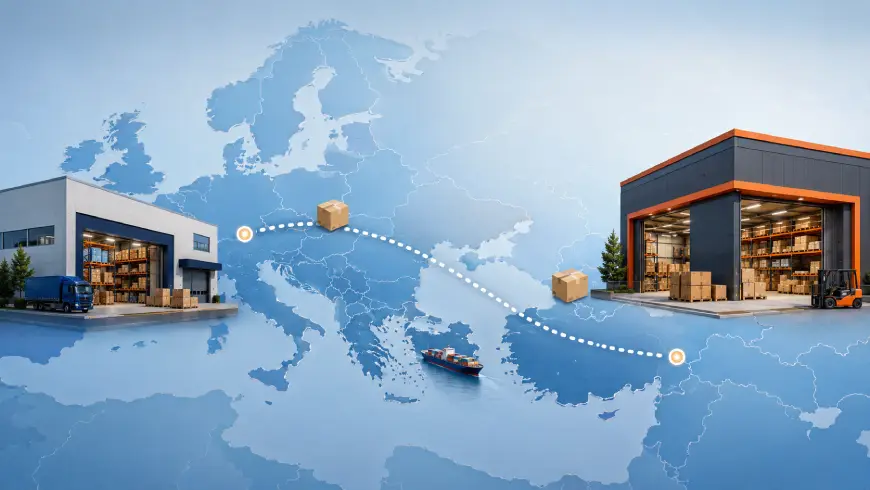
fiCommerce’s cloud-based platform, fiPlatform, brings stock, order, shipping, and return management into a single central system. The integration ecosystem built on this infrastructure covers leading marketplaces, shipping companies, and ERP systems in Turkey and Europe.
Marketplace Integrations
fiCommerce offers product, stock, price, and order management integrations for more than 200 marketplaces in Turkey and abroad. Some of the main integrated marketplaces include:
Turkey marketplaces: Trendyol, Hepsiburada, N11, Pazarama
Global and European marketplaces: Amazon, eBay, OTTO, Kaufland
Middle East marketplaces: Noon, Namshi
Thanks to these integrations, brands selling across multiple channels can manage all orders from a single panel. There is no need for separate stock tracking or manual order entry for each channel.
Shipping Integrations
fiPlatform automatically starts the shipping process as soon as an order is received. The shipping barcode is created, shipment information is sent to the relevant shipping company, and the tracking number is processed into the system. This reduces the manual workload of operations teams while allowing customers to follow their orders more transparently.
To see the latest supported shipping, marketplace, and system connections, you can visit the fiCommerce integrations page.
ERP and Accounting Integrations
fiPlatform works in integration with enterprise ERP and pre-accounting systems, allowing sales data to be transferred automatically. This structure helps invoices, stock movements, returns, and financial records move in sync with the e-commerce operation. For growing brands in particular, these integrations reduce manual data entry and strengthen financial visibility.
You can find more information about supported ERP and accounting systems through fiCommerce integration solutions.
There Is No Growth Without Integration
E-commerce integration is not a luxury; it is a core indicator of operational maturity. In small-scale businesses, manual processes may be tolerated for a while. However, for any brand that wants to grow, an operation without integration eventually reaches its limit.
Invoice integration helps meet legal obligations while also improving operational efficiency. Accounting integration makes financial visibility real time. Shipping integration strengthens the operational foundation of customer experience.
When these three integrations work together in harmony, they reduce the daily workload of the business and make it easier to make data-driven decisions.
If you would like to learn more about fiCommerce’s fiPlatform infrastructure, its ecosystem supported by more than 200 integrations, and its end-to-end operations management solutions, you can fill out the fiCommerce quote form. This allows your current sales channels, shipping processes, invoice flows, and accounting systems to be evaluated and planned with the most suitable integration structure for your brand.