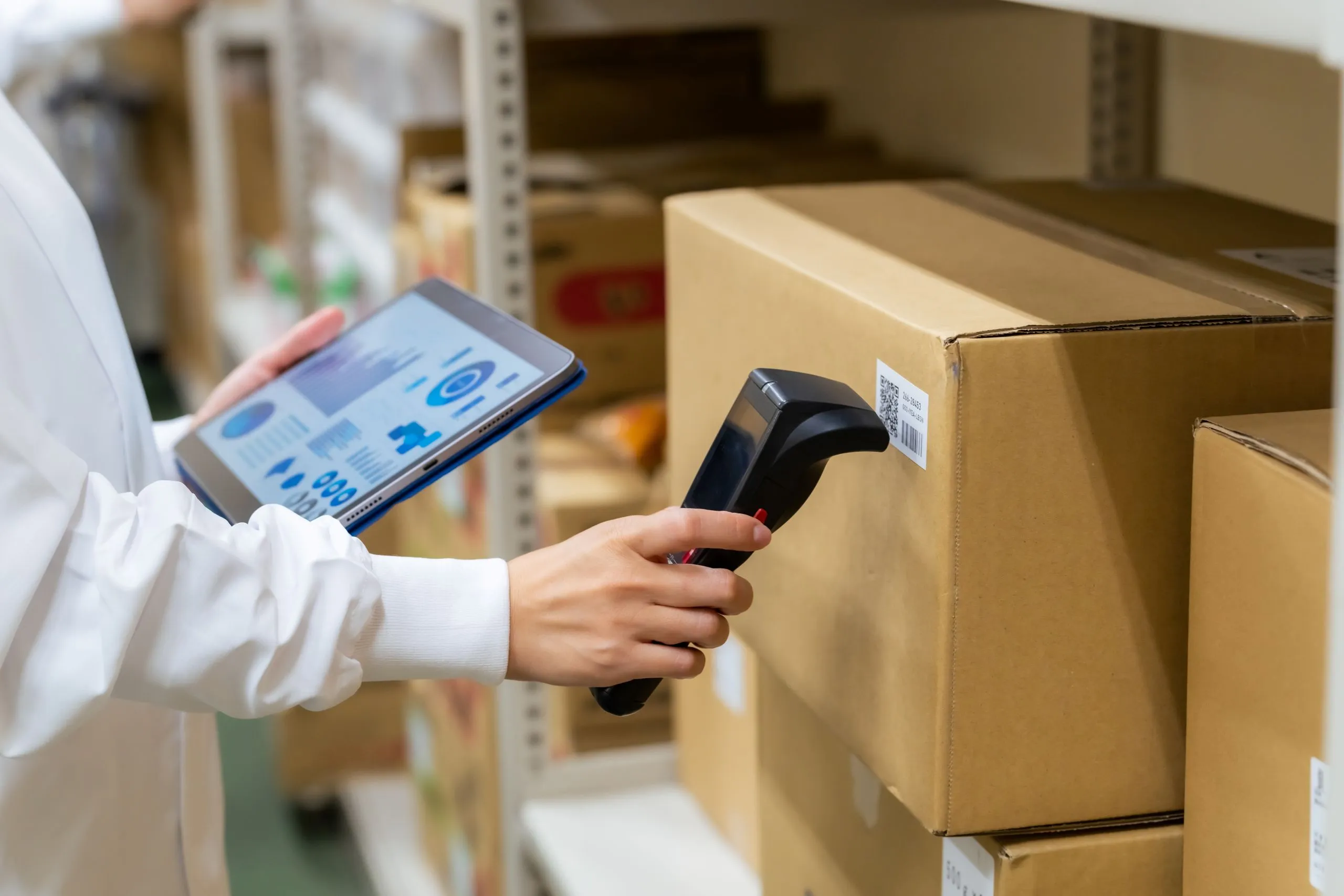


Choosing the right order fulfillment software is one of the quickest ways to cut fulfillment chaos: fewer manual steps, fewer shipping errors, clearer inventory visibility, and faster order processing. Modern e-commerce fulfillment systems aren’t just “label printers”—they connect orders, inventory, warehouses/3PLs, and carriers into one workflow so your team can scale without adding headcount at the same pace.
In practice, “order fulfillment” covers everything from order confirmation to picking, packing, shipping, tracking, and returns. (If you want a clean definition of the full process, see the overview on Wikipedia.)Vikipedia For a broader operational view beyond software—especially when you’re comparing in-house vs 3PL models—check fiCommerce’s fulfillment page.
What Is Order Fulfillment Software and Why It Matters
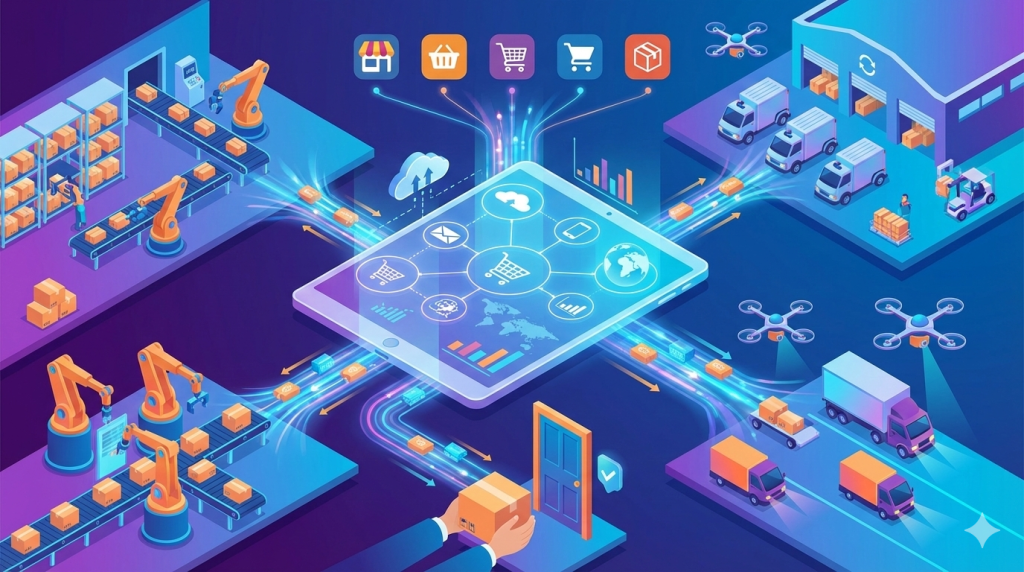
Order fulfillment software is the system that coordinates how an order moves from “paid” to “delivered.” It typically centralizes order intake from multiple sales channels, synchronizes stock levels, automates shipping tasks, and creates a consistent workflow for warehouse teams or partners. When implemented well, it becomes the operational backbone of your store.
It matters because fulfillment is where ecommerce promises become physical reality. Faster processing, accurate inventory, and proactive tracking reduce support tickets and refunds, while better data helps you optimize costs and service levels over time.
How Fulfillment Software Streamlines Operations
Fulfillment software streamlines operations by automating repetitive tasks: importing orders, applying shipping rules, selecting carriers, generating labels, and routing orders to the right warehouse or fulfillment partner. This “automation in fulfillment” typically reduces mistakes caused by manual copy/paste and inconsistent processes.
It also improves workflow efficiency inside the warehouse with pick/pack guidance and status checkpoints. Even basic automation—like batch processing or rule-based shipping—can cut cycle time and improve order accuracy when volume rises.
The Role of Software in Modern E-commerce Logistics
In modern logistics, software is what connects storefront demand to warehouse execution. It links ecommerce platforms, inventory data, carrier rates, tracking updates, and sometimes returns flows into one system so teams can run faster with fewer unknowns.
As logistics becomes more digital, “logistics automation” isn’t optional—it’s a competitive requirement. The brands that win are usually the ones that can ship quickly, track reliably, and adapt workflows without breaking their cost structure.
Key Features to Look for in Fulfillment Software
The best fulfillment management tools share a few must-have capabilities: reliable inventory tracking, shipping integrations, automation rules, and reporting that gives you operational clarity. Without these, you’ll end up with fragmented tools and constant reconciliation work across systems.
Before comparing vendors, map your real needs: number of SKUs, sales channels, warehouses/3PLs, international shipping requirements, and returns volume. That clarity helps you evaluate “features” based on outcomes (speed, accuracy, cost) rather than shiny dashboards.
Real-Time Inventory and Order Tracking
Real-time visibility is the foundation of scalable fulfillment. You want inventory levels and order statuses to update fast enough that you don’t oversell, undersell, or route orders incorrectly—especially if you sell across multiple channels.
Look for systems that support near real-time updates, clear exception handling (backorders, partial shipments), and audit trails. Strong “inventory visibility” reduces cancellations, improves customer trust, and supports smarter replenishment decisions.
Integration with Major Shipping Carriers
Carrier integration matters because shipping speed and cost are often your biggest variable fulfillment expenses. A solid platform should connect to major carriers, automate label creation, and support tracking updates without manual steps.
Automation and Workflow Management
Automation is what turns software into a system, not just a tool. Rule-based actions—like shipping method selection, warehouse routing, or split-ship logic—help you handle volume increases without doubling your team.
Workflow management also matters inside the warehouse. Pick/pack tools, barcode verification, and standardized steps reduce mispicks and speed up daily throughput, which is especially important during campaign peaks.
Analytics and Reporting Dashboards
Fulfillment analytics should answer operational questions fast: Where are we slow? Where are we losing money? Which products create the most exceptions? Which carriers miss promised delivery windows?
The goal isn’t more charts—it’s actionable visibility. Dashboards should help you track key KPIs (accuracy, cycle time, on-time delivery, return rates) and diagnose bottlenecks before they show up as customer complaints.
How to Integrate Software with Your E-commerce Platform
Integration is where most fulfillment projects succeed or fail. If your order and inventory data doesn’t sync cleanly between your store, your fulfillment system, and your warehouse/3PL, you’ll spend your time fixing mismatches instead of improving performance.
Prioritize systems with proven integrations (Shopify/WooCommerce/Magento, marketplaces, ERPs) and clear API documentation. Integration should reduce manual work—not create a new layer of troubleshooting.
Seamless Integration with E-commerce Systems
A good integration pulls orders automatically, syncs fulfillment status back to the storefront, and keeps inventory accurate. For popular platforms, look for native connectors or established app ecosystems to minimize custom development.
ShipBob, for instance, emphasizes integrations with major ecommerce platforms and marketplaces to automate order flow and reduce manual errors.ShipBob+1 If you rely heavily on a specific platform, validate the integration depth (two-way sync, multi-location inventory, refunds/returns events).
Connecting with Fulfillment Partners and 3PL Providers
If you use a 3PL, integration must cover more than “order sent.” You also need inventory receipts, stock adjustments, tracking events, and returns updates synced reliably—otherwise your “system truth” becomes unreliable.
Shopify describes Shopify Fulfillment Network (SFN) as connecting merchants to trusted 3PL partners and enabling management from the Shopify admin.Shopify+1 Regardless of which vendor you choose, require clear SLAs for data latency and exception handling.
Omnichannel Fulfillment for Multi-Store Management
Omnichannel operations require unified inventory and routing logic. If your Shopify store, marketplace listings, and wholesale orders each “think” they own the same units, overselling becomes inevitable.
A unified order management approach centralizes allocation rules and visibility. The best systems let you route orders based on location, cost, delivery promise, and stock availability—without requiring manual decisions for every order.
Measuring Performance with Fulfillment Metrics
You can’t improve what you don’t measure. Fulfillment software should make performance visible in real time, not just after the month ends—because late insights lead to repeated mistakes.
Start with a small KPI set, track it weekly, and build improvement cycles around it. When the team sees metrics as feedback (not punishment), you’ll get faster operational maturity and more consistent customer outcomes.
Key Metrics to Track for E-commerce Fulfillment
The most useful metrics usually include order accuracy rate, on-time delivery rate, and fulfillment cycle time (order-to-ship). These show whether your process is reliable, fast, and predictable.
You can add supporting metrics like pick accuracy, exception rate, return rate, and cost per shipment. Over time, segment metrics by channel, warehouse/3PL, and product category to find the real drivers behind performance changes.
Using Data to Optimize Performance
Data becomes valuable when it changes decisions. If you see cycle time spikes every Monday, adjust staffing or batch waves. If one carrier consistently causes delays, change rules or renegotiate service levels.
The best “performance analytics” are operational—built for daily decisions. That’s why dashboards, alerts, and exception queues matter as much as monthly reports.
Leveraging Predictive Analytics for Continuous Improvement
Predictive analytics helps you move from reacting to preventing. It can forecast capacity needs, highlight SKUs likely to stock out, and identify shipping lane risk before it becomes a service failure.
Even lightweight predictive signals—like trend-based volume forecasts—help you plan labor, packaging materials, and carrier capacity. Over time, these insights reduce firefighting and improve the stability of your fulfillment machine.
Benefits of Using Fulfillment Optimization Software
Fulfillment optimization software isn’t only about speed—it’s about making performance repeatable at scale. When your tools standardize workflow, your team spends less time fixing mistakes and more time improving systems.
This is especially important when you grow into multiple warehouses, international shipping, or multi-channel selling. Optimization tools help you avoid “scaling problems” that silently destroy margins.
Reducing Manual Workload and Human Errors
Automation reduces the most common sources of fulfillment errors: manual address handling, inconsistent carrier selection, and missing scan checkpoints. Fewer manual steps generally means fewer exceptions and less customer support load.
ShipBob specifically positions its fulfillment software and integrations as a way to automate order management and reduce human errors from manual data entry.ShipBob The same logic applies to shipping platforms that batch labels and enforce shipping rules consistently.
Faster Processing and Improved Scalability
With the right system, adding volume becomes more about capacity planning than operational chaos. Batch processing, smart routing, and standardized picking workflows reduce the time it takes to move orders through the pipeline.
ShipStation positions its platform around centralizing order management and shipping tasks, which can save operational time as volume increases. ShipStation+1 In practice, scalability comes from removing manual bottlenecks and making exceptions easier to manage.
Better Decision-Making with Data Visibility
Visibility changes decisions: you reorder earlier, route smarter, and fix issues before customers feel them. Real-time analytics help you understand where money and time are being lost across carriers, warehouses, and SKUs.
Tools like Easyship also focus on improving international shipping clarity—especially around duties/taxes—so you can protect margins and reduce checkout friction in cross-border sales.
Top Order Fulfillment Software Solutions in 2025
“Best” depends on your model: do you need a 3PL + software bundle, or a shipping platform that sits on top of your own warehouse? In 2025, many online stores combine a fulfillment partner platform (for warehousing + picking/packing) with a shipping management tool (for carrier rates + labels), depending on complexity and geography.
Below are widely used options that represent common scenarios: outsourced fulfillment networks, shipping automation platforms, and ecosystem-native solutions. Validate fit based on integrations, geography, SLA expectations, and the real cost structure of your orders.
ShipBob and ShipStation
ShipBob is often chosen by DTC brands that want fulfillment operations plus a connected software layer—integrations, inventory visibility, and automated order syncing across channels. ShipBob highlights a broad integrations/App/API ecosystem for connecting ecommerce platforms and marketplaces.
ShipStation is typically used as a shipping and order management layer that supports multi-channel shipping workflows and broad carrier connectivity. It emphasizes extensive integrations and large carrier coverage, which can be valuable when you ship internationally or operate multiple storefronts.
Shopify Fulfillment Network and Easyship
Shopify Fulfillment Network is attractive if your core stack is Shopify and you want to work with logistics partners through the Shopify admin experience. Shopify describes SFN as connecting merchants with trusted 3PL partners and enabling faster, more reliable delivery.
Easyship is commonly chosen for multi-carrier shipping, international rate comparison, and duties/taxes support—especially for cross-border ecommerce. Easyship positions itself around simplifying global shipping and automating duties/taxes calculations, and its Shopify app listing highlights features like live rates, duties, and returns management in one dashboard.
Other Emerging Fulfillment Platforms
Beyond the big names, many teams shortlist tools based on their exact pain point: WMS for warehouse execution, OMS for routing and orchestration, or return platforms for post-purchase efficiency. The market is active, and new “AI-powered logistics” tools keep appearing—often focused on forecasting, routing, or exception handling.
A practical way to compare options is to look at category-level review ecosystems and validate capabilities against your workflow (multi-warehouse, kitting, wholesale, international, returns). Review platforms like G2 aggregate user feedback and category comparisons that can help you identify common pros/cons before a pilot.G2+2G2+2
Future Trends in Fulfillment Software
Fulfillment software is moving toward smarter orchestration: more automation, deeper integrations, and decision support that improves cost and speed simultaneously. The winners will be platforms that reduce exceptions and adapt quickly to demand shifts without requiring heavy custom work.
At the same time, merchants increasingly expect “composable” stacks: API-first tools that connect cleanly, share data reliably, and let brands swap components as they scale. Flexibility is becoming a feature, not a nice-to-have.
AI and Machine Learning in Fulfillment Management
AI is being applied to predict demand, detect exceptions, optimize routing, and reduce operational waste. Over time, these systems will shift teams from “managing tasks” to “managing rules,” where the platform handles routine decisions automatically.
The near-term value is usually practical: better forecasting signals, smarter carrier selection, and earlier detection of bottlenecks. As models improve, fulfillment systems will become more proactive—fixing problems before they surface in customer experience.
Cloud-Based and API-First Solutions
Cloud fulfillment software and API-first design make integrations faster and more resilient. Instead of rigid, closed systems, modern stacks prioritize connectivity with storefronts, ERPs, 3PLs, and carriers so data flows continuously.
This matters because ecommerce operations don’t stay static. New channels, new markets, and new partners require your system to connect quickly—without months of custom integration work.
Sustainability and Green Technology Integration
Sustainability is moving into software decisions: carbon-aware shipping options, packaging optimization, fewer split shipments, and better returns routing. Software that helps you reduce waste often reduces cost too—less void fill, fewer damages, fewer reships, and fewer unnecessary miles.
Over time, “green fulfillment technology” will likely become a standard layer in reporting dashboards—turning sustainability from a brand promise into measurable operational controls that protect both margins and customer trust.