Our FMCG Fulfillment Operating Model
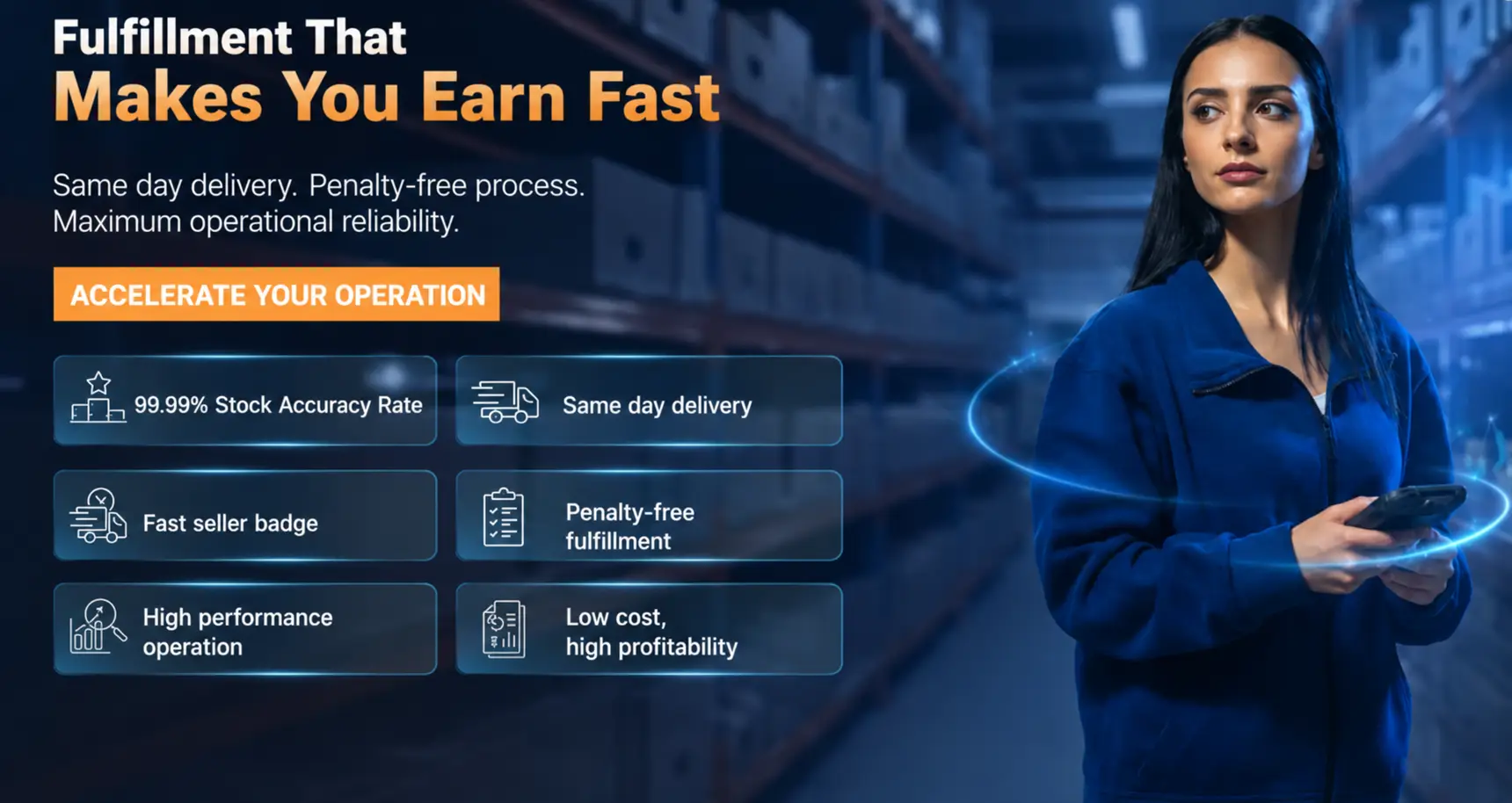
fiCommerce supports sustainable and profitable marketplace growth for brands through a specialized operational model developed for the low-margin and high-tempo structure of the FMCG industry.
99.99% Inventory Accuracy Rate
Up to 50% Operational Cost Advantage
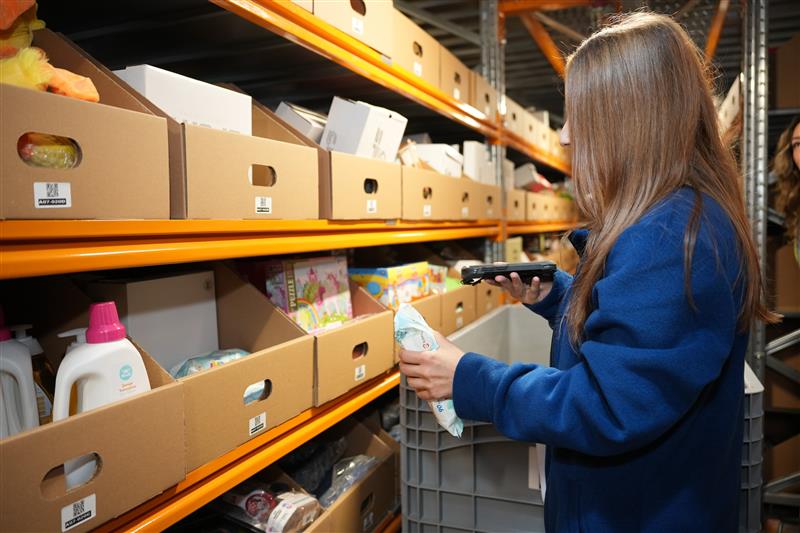
Fast Order Picking Technology
Customized Warehouse Design
Minimization of Operational Penalty Risks
SLA Protection Even During High-Volume Campaign Periods
FMCG (Fast-Moving Consumer Goods)

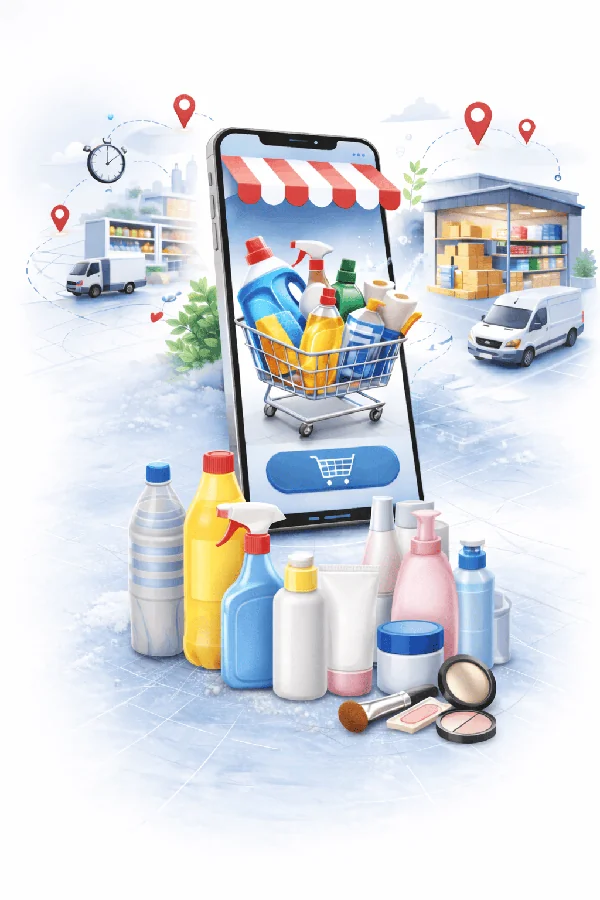
FMCG products are fast-selling consumer goods with high demand and frequent purchasing cycles. This category includes products such as food, beverages, personal care, cosmetics, cleaning products, and household essentials. Due to high order frequency, low profit margins, and rapid stock turnover, FMCG operations require speed, accuracy, and scalability.
Profit per unit is relatively low; profitability is achieved through high sales volumes.
Products are sold quickly, and inventory is replenished frequently.
Out-of-stock situations, delayed shipments, or return-related issues directly lead to sales losses.
Delivery speed, inventory accuracy, and customer satisfaction directly impact sales performance.


Global FMCG e-commerce grew by 11% in 2024. Marketplace platforms accounted for 49% of total FMCG e-commerce sales, while 36% of the total e-commerce value growth recorded in 2024 was driven by marketplaces.
Among categories, consumer health achieved the highest online penetration, with 72% of e-commerce sales generated through marketplaces. This rate reached 68% in beauty and personal care products and 65% in home care products.
These figures demonstrate that marketplace-driven growth continues to strengthen across the FMCG ecosystem.
In the FMCG category, delayed shipments and cancellation rates are critical factors that directly affect customer satisfaction.
For products with high sales volume and rapid inventory turnover, operational errors immediately result in lost sales opportunities. For this reason, competition in FMCG is no longer driven solely by price, but by the ability to provide fast, error-free, and scalable operational excellence.
FMCG E-Commerce in Türkiye Is Growing Rapidly
Turkey’s e-commerce volume continued its growth in 2025, reaching TRY 4.57 trillion, up 52.2% compared to the previous year.
In the first half of 2025, household spending on fast-moving consumer goods increased by 42% compared to the same period of the previous year. During this period, the categories with the highest spending growth were snacks, personal care products, and home cleaning products.
¹ Republic of Türkiye Ministry of Trade, Türkiye E-Commerce Outlook Report
² Ipsos, Fast-Moving Consumer Goods Market Report for the First 6 Months of 2025
The Key to Growth in FMCG: Operations
Many FMCG brands fail to grow despite having the right products and demand due to operational challenges.

These problems lower marketplace rankings, increase advertising costs, and directly negatively impact sales performance.
Most Common Operational Challenges
Late Deliveries
SLA Loss During Campaign Periods
Cancellation and Penalty-Related Losses
Increasing Operational Costs
Frequently Asked Questions
Here you can find answers to the most frequently asked questions about fiCommerce’s fulfillment services for FMCG brands.
This model is suitable for:
- FMCG brands in cleaning, hygiene, and cosmetics categories that sell small-sized but high-volume products,
- Brands in the growth stage with niche FMCG products,
- Sellers looking to strengthen operational standards during the scale-up process,
- Marketplace sellers experiencing SLA losses during campaign periods.
It is designed to transform operations from a growth barrier into a structure that supports sustainable and profitable growth.
- Share your operational data with us.
- Let’s determine the most suitable solution plan for your business.
- Receive feedback from us as quickly as possible.
For detailed information, you can fill out our Get a Quote form.
Due to high order volumes and continuous product movement in the fast-moving consumer goods sector, effective inventory management is essential. Efficient inventory tracking helps reduce stockouts, excess inventory costs, and order cancellations.
During promotional campaigns and special sales periods, increasing order volumes can be managed seamlessly through scalable fulfillment operations. This helps minimize delayed orders and operational disruptions.
Yes. The receipt of returned products, quality control, restocking, or the implementation of different processing steps based on defined procedures are all included in our fulfillment service. This ensures that return processes are managed quickly and in a controlled manner.
FMCG Brands That Trust Us




How Did Primum Pharma Transform Its Fulfillment Operations with fiCommerce?
By outsourcing its fulfillment operations to fiCommerce, Primum Pharma optimized its warehouse and order management processes, reduced operational workload, increased efficiency, and gained end-to-end control over its operations.