

In e-commerce, the “moment of truth” isn’t the checkout page—it’s the delivery. Customers may fall in love with your product photos and pricing, but they decide whether they trust your brand based on what happens after they click “Buy.” That’s why fulfillment customer satisfaction, delivery speed, and order accuracy are not operational details—they’re core drivers of customer experience optimization.
A strong fulfillment operation turns logistics into a loyalty engine. It reduces uncertainty, prevents errors, and creates a smooth post-purchase journey that customers want to repeat. In this guide, you’ll learn how fulfillment shapes loyalty, how to measure performance, and which improvements make the biggest CX impact.
Table of Contents
Understanding the Connection Between Fulfillment and Customer Loyalty
Customer loyalty is often framed as branding, community, or marketing—but in e-commerce, loyalty is heavily influenced by reliability. When orders arrive on time, correct, and well-packaged, customers develop confidence. That confidence becomes repeat purchasing behavior, which is why fulfillment efficiency is directly linked to retention and long-term revenue.
Equally important is the post-purchase experience: updates, tracking, and support. Customers judge service quality by how predictable the delivery journey feels. If the experience is confusing, inconsistent, or full of friction, even a great product can’t fully compensate for the trust loss.

How Fulfillment Affects Brand Perception
Brand perception is built through consistency. If a customer receives the right product quickly, in perfect condition, they associate your brand with professionalism and care. That’s the positive side of fulfillment reliability—it creates a “safe choice” feeling that drives future orders.
On the other hand, late deliveries, damaged packages, and missing items create doubt. One bad delivery can outweigh multiple good marketing impressions because the customer experiences it personally. That’s why the on-time delivery impact is not just a logistics metric; it’s a brand metric.
The Importance of Order Accuracy and Packaging Quality
Order accuracy is the fastest trust-builder in fulfillment. Every wrong item or missing unit increases refunds, support tickets, and negative reviews. Improving the order accuracy rate reduces customer effort and protects your margins—two outcomes that strengthen loyalty over time.
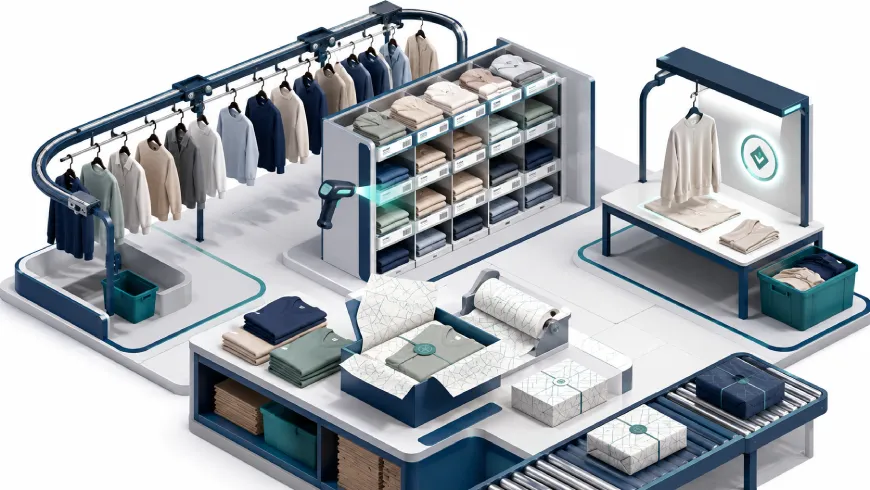
Packaging also matters more than many teams expect. A clean, protective, right-sized package improves the unboxing experience and reduces damage. Strong packaging quality signals care and strengthens product presentation—especially for premium brands where perception is a major part of value.
Transparency and Communication During Fulfillment
Customers don’t just want speed—they want certainty. When you provide clear tracking updates, ETA windows, and proactive exception messages, you reduce “Where is my order?” anxiety and improve customer trust. That’s why order tracking updates are a core part of CX, not an afterthought.
Proactive communication becomes even more important when problems occur. Delays happen in logistics; trust is protected when customers are informed early, not surprised late. Consistent transparency across email, SMS, or in-app updates keeps the experience controlled and respectful.
How Fast Shipping Builds Loyalty
Fast shipping doesn’t just improve satisfaction—it changes purchasing behavior. When customers trust that delivery is quick and dependable, they’re more willing to buy again, buy more frequently, and recommend the store. That’s why fast fulfillment and last-mile performance are strategic advantages, not just operational targets.
However, speed alone isn’t enough. Customers also care about predictability and affordability. The best shipping strategy offers the right mix of options: fast when needed, cost-efficient when appropriate, and always reliable.
Meeting Customer Expectations with Fast Delivery
Customer expectations are shaped by market leaders and category norms. In many segments, a “fast shipping” promise is now baseline. When you consistently meet delivery expectations, you strengthen customer trust and reduce churn because the shopping risk feels lower.
Fast delivery also supports impulse buying and gift purchases, where timing matters. In these moments, delivery reliability becomes part of the product value. That’s why fulfillment operations that hit deadlines consistently are often rewarded with higher repeat purchase rates.
Express vs Standard Shipping Options
Express shipping vs standard shipping isn’t about choosing one—it’s about giving customers control. Express options appeal to urgency and premium buyers, while standard delivery appeals to value-driven customers. Offering both allows shoppers to match the delivery method to their needs.
The key is to keep promises realistic. An express option that fails creates more disappointment than no express option at all. Clear cutoff times, transparent pricing, and reliable carrier performance are what make delivery choices truly valuable.
Balancing Speed, Cost, and Reliability
Speed, cost, and reliability form a triangle: you can’t maximize all three without strategy. The goal is to optimize service level per customer segment, product type, and region. For example, you might prioritize express delivery for high-margin SKUs while keeping standard shipping for low-margin items.
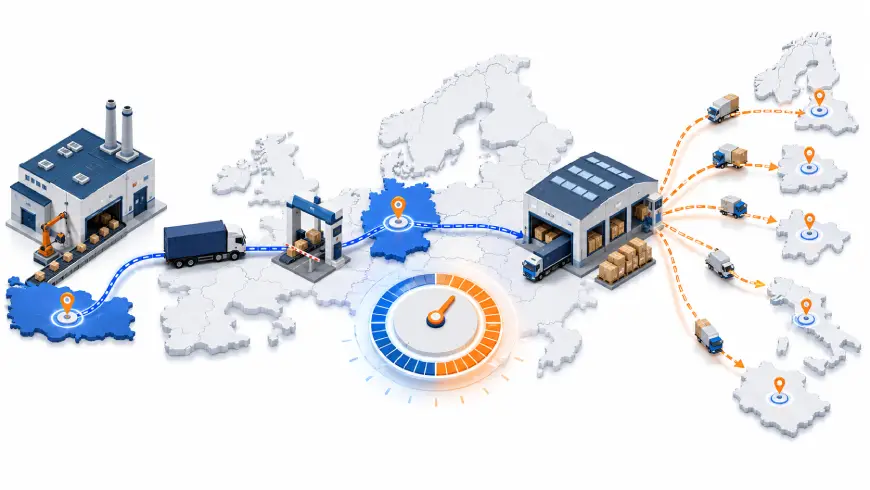
From an operational view, balancing involves smart order routing, right warehouse locations, and strong carrier management. When your fulfillment system reduces processing time and prevents errors, you can deliver faster without losing control of costs.
Measuring Customer Feedback in Fulfillment
Improving fulfillment CX requires measurement. Without a feedback loop, teams often optimize what’s easiest to track instead of what customers truly feel. The best approach combines customer voice (surveys, reviews, tickets) with operational metrics (accuracy, speed, returns).
Customer feedback helps you identify the “pain points” that lead to churn: late shipments, unclear tracking, damaged packages, or difficult returns. When these are measured consistently, fulfillment becomes a system you can continuously improve.
Collecting Customer Insights Post-Delivery
Post-delivery feedback can be simple and powerful. Short surveys, delivery satisfaction questions, and product-condition ratings reveal where the experience breaks. NPS (Net Promoter Score) is valuable, but it becomes stronger when paired with specific delivery questions like “Was tracking clear?” or “Was the package in good condition?”
Support conversations are another rich signal. When customers contact you, they’re telling you where the process created friction. Tagging support tickets by reason (late delivery, wrong item, damage, return request) turns qualitative feedback into actionable data.
Key Metrics to Evaluate Fulfillment Performance
A strong measurement foundation starts with the basics: order accuracy rate, on-time delivery rate, and return rate. These KPIs reflect quality, reliability, and customer effort. When these improve, satisfaction usually improves as a direct outcome.
Add deeper metrics for insight: fulfillment cycle time, carrier exception rate, damage rate, and first-attempt delivery success. These help you isolate root causes and fix the system rather than patching symptoms.
Using Data to Improve Future Fulfillment
Data-driven improvement means connecting metrics to actions. If accuracy drops, audit scanning discipline and picking workflows. If on-time delivery drops, review cutoff times, carrier performance, and warehouse capacity. If returns rise, analyze product info and packaging standards.
Predictive analytics can help you prevent problems before customers feel them. For example, using historical carrier performance to route shipments more intelligently or forecasting seasonal demand to avoid backlogs. Improvement becomes proactive, not reactive.
Improving Fulfillment for Better Customer Experience
Fulfillment improvements should be customer-led: reduce errors, reduce uncertainty, reduce waiting time, and reduce effort—especially in returns. That’s what “customer-centric logistics” truly means. Operational efficiency matters, but the end goal is a smoother journey for the customer.
The best improvements often come from standardization and automation. When processes are consistent and data is clean, the experience becomes reliable—at scale.
Leveraging Automation for Speed and Accuracy
Automation supports both speed and quality. Barcode validation, automated label creation, smart order batching, and optimized picking routes reduce manual work and prevent common errors. These upgrades improve throughput while protecting the customer experience.
Advanced operations also use robotics and smart warehousing tools for high-volume environments. But even without robotics, basic automation—like integrated systems and scanning discipline—can significantly boost accuracy and reduce delays.
Personalizing the Delivery Experience
Personalization doesn’t mean expensive packaging for every order. It means making the experience feel intentional: branded packaging elements, clear messages, flexible delivery choices, and tailored communication. Small touches—like delivery preference selection or a consistent unboxing standard—can make customers feel valued.
Communication can also be personalized. For example, proactive updates based on the customer’s region or delivery method. When customers feel informed in a way that matches their expectations, trust grows and churn decreases.
Partnering with Reliable Fulfillment Providers
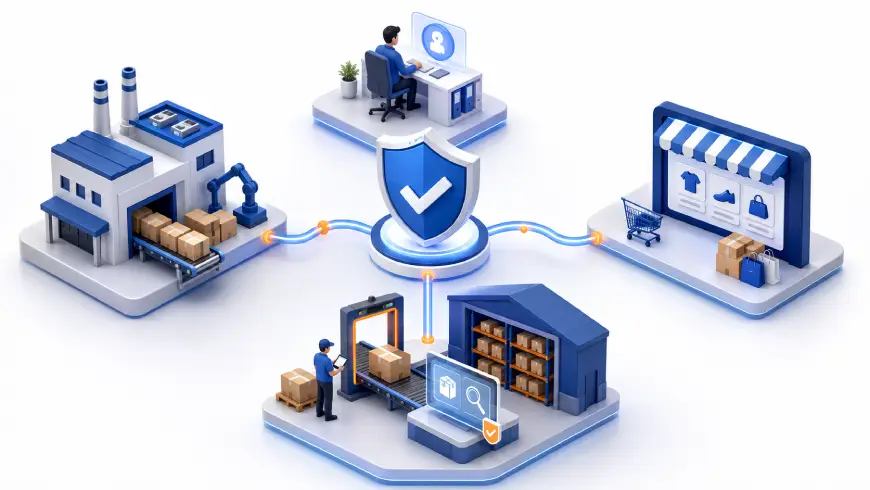
Many brands scale faster by working with 3PL partners. But a partner is an extension of your brand—so reliability, reporting, and integration are essential. The best providers offer strong operational standards, real-time visibility, and consistent performance monitoring.
When choosing partners, prioritize technology readiness, SLA clarity, and responsiveness in exception handling. A reliable provider reduces customer complaints and creates a stable fulfillment experience across growth phases.
Reducing Friction in the Post-Purchase Experience
Post-purchase friction is one of the biggest hidden drivers of churn. Customers may love your products, but if support is slow, returns are confusing, or tracking is unclear, they hesitate to buy again. Reducing friction means making every step intuitive, predictable, and fast.
The highest-impact friction points are usually returns, delivery status uncertainty, and issue resolution speed. Fixing these creates immediate improvements in satisfaction and repeat sales.
Simplifying the Return and Exchange Process
Easy returns reduce purchase hesitation and increase trust. A simple return flow includes self-service initiation, clear rules, fast inspection, and predictable refund timelines. Customers don’t expect “free” returns in every market—but they do expect fairness and clarity.
From an operational side, strong reverse logistics reduces internal cost and speeds up restocking. When returns are processed quickly, customers get refunds faster and the business recovers sellable inventory sooner.
Providing Real-Time Order Tracking
Real-time tracking is a trust feature. Customers want visibility, not silence. A clear tracking page, accurate status updates, and proactive alerts reduce anxiety and support tickets while improving satisfaction.
The most important moment is when things go wrong. Delays, failed delivery attempts, or address issues should trigger proactive messaging. When customers feel informed, they feel respected—even if the delivery isn’t perfect.
Enhancing Post-Sale Support
Support should be aligned with fulfillment operations. When customer care has access to real-time shipment status, warehouse notes, and return progress, they can solve issues faster. Faster resolution reduces frustration and protects brand perception.
Proactive support is even better: setting expectations early, explaining timelines, and offering clear options. This turns “problem moments” into loyalty-building moments.
Long-Term Impact of Fulfillment on Retention
Fulfillment quality compounds over time. Every smooth delivery strengthens trust; every error creates doubt. Retention is simply the outcome of repeated experiences. When customers consistently receive fast, accurate, and transparent service, they stay longer and spend more.
That’s why fulfillment should be treated as part of your CX strategy—not as a backend cost center. Brands that align fulfillment with customer expectations usually outperform in repeat purchase rates and lifetime value.
Turning Fulfillment Success into Repeat Sales
Fulfillment success reduces shopping risk. When customers know delivery is predictable and returns are easy, they’re more likely to reorder without hesitation. This creates a stronger customer lifecycle where loyalty is built through confidence, not just promotions.
Repeat sales also grow through fewer negative moments. When there are fewer delays, damages, and wrong items, customers have fewer reasons to switch. Consistency is the real driver behind repeat purchasing.
How Excellent Fulfillment Reduces Churn
Churn often happens quietly. Customers don’t always complain—they simply don’t return. Common churn triggers include late delivery, damaged items, unclear tracking, and difficult refunds. Excellent fulfillment reduces these triggers and keeps the experience stable.
Even when issues occur, strong exception handling reduces churn. Fast resolution, transparent updates, and fair outcomes help maintain trust. A well-managed problem can preserve loyalty better than a poorly managed “normal” order.
Creating a Fulfillment Strategy Aligned with CX Goals
A CX-aligned fulfillment strategy starts with defining the customer promise: delivery speed, reliability level, packaging standard, and returns experience. Then you build the operation to deliver that promise consistently through process design, technology, and partner selection.
This alignment requires continuous measurement and adjustment. When CX goals are clear, your fulfillment KPIs become meaningful. You stop chasing random metrics and instead optimize what truly impacts customer satisfaction and retention.
Future of Fulfillment and Customer Satisfaction
The future of fulfillment is moving toward predictive, personalized, and sustainable operations. Customers expect more transparency, faster delivery, and eco-friendly choices—while still demanding reliability. Technology will increasingly help brands deliver on those expectations without losing control of costs.
The winners will be the brands that treat data as a core fulfillment asset and build systems that learn, adapt, and scale.
Predictive Logistics for Proactive Service
Predictive logistics uses AI to anticipate demand spikes, route orders intelligently, and prevent delays before they happen. Predictive models can also detect shipment risk early—so brands can intervene proactively instead of reacting to customer complaints.
This shift turns fulfillment into a proactive service. Customers receive updates, alternatives, or solutions before they need to ask. That kind of experience is a major loyalty advantage.
Sustainable Shipping and Eco-Friendly Packaging
Sustainability is becoming part of customer expectations, not just brand values. Eco-friendly packaging, right-sized boxes, and lower-emission delivery options can improve both cost efficiency and customer perception. The key is to keep sustainability practical: reduce waste while protecting the product.
Sustainable shipping also benefits from better network design. Regional fulfillment and smarter routing reduce distance traveled and often improve delivery speed at the same time.
Data-Driven Personalization in Fulfillment
Personalization will extend beyond marketing into delivery and service. Using customer data analytics, brands can offer delivery preferences, tailored communication, and smarter return options—without increasing operational complexity.
AI-driven CX will also help brands segment service levels: premium experiences for high-value customers, optimized standard delivery for value segments, and flexible options for everyone. The result is a fulfillment experience that feels “made for me,” which is the strongest driver of loyalty.