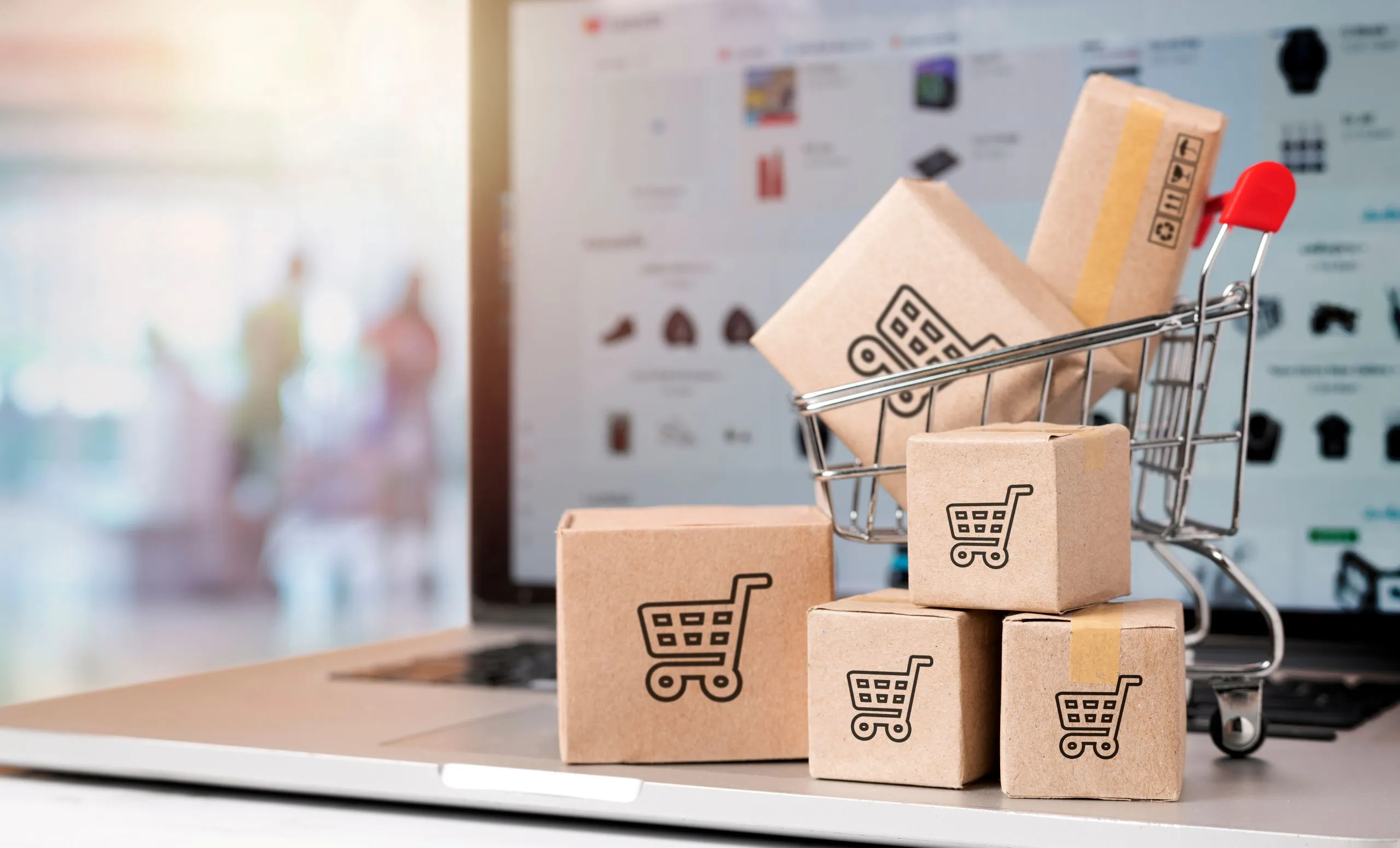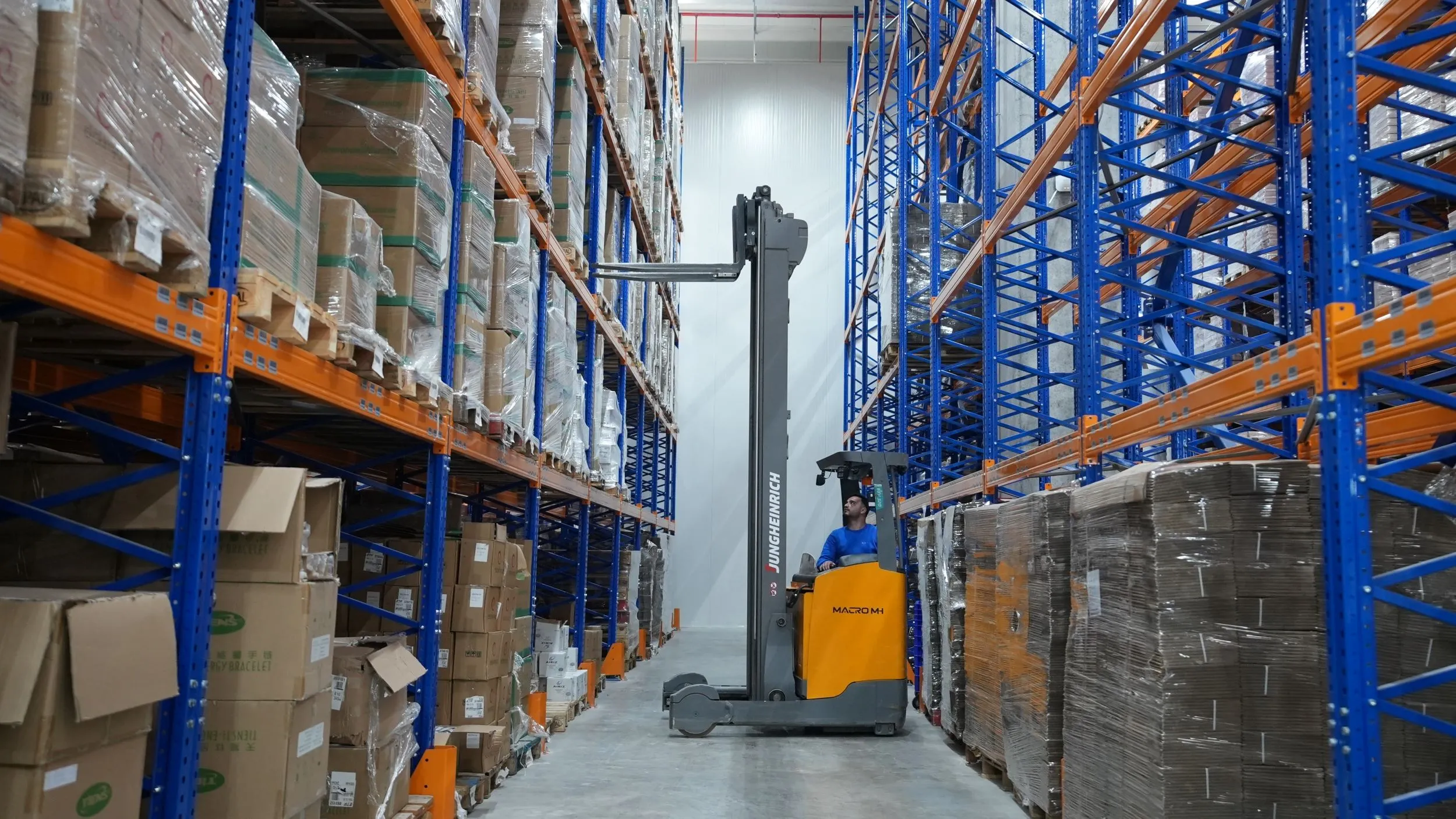


Fulfillment partners play a key role in enabling e-commerce businesses to scale operations efficiently. They handle essential logistics tasks such as warehousing, inventory management, packaging, and shipping. By outsourcing these services, businesses can focus on core activities like product development, marketing, and customer engagement. As a result, operational outsourcing benefits become a major driver of growth and expansion.
The right fulfillment partner ensures scalability in fulfillment, adapting to seasonal demand spikes without compromising delivery speed or accuracy. They offer robust order fulfillment services that integrate with various sales channels, allowing seamless logistics operations. This level of integration and flexibility is crucial for growing businesses aiming to meet evolving customer expectations in the competitive e-commerce space.
Key Factors to Evaluate When Choosing a Partner
When selecting a fulfillment partner, fulfillment performance metrics should be thoroughly assessed. Delivery speed optimization and order accuracy rate are among the most critical metrics to review. A partner with strategically located fulfillment centers ensures faster delivery times, reducing cart abandonment and boosting customer satisfaction.
Moreover, service reliability and logistics quality standards must align with your business needs. Evaluate the provider’s track record for on-time delivery and error reduction. A provider that can scale services during peak seasons without service disruptions is vital. Flexibility in logistics solutions ensures your fulfillment partner grows with your brand, not against it.

Questions to Ask Before Partnering
It’s essential to ask about the fulfillment pricing models and uncover any hidden fees before signing an agreement. Some providers may charge setup fees, storage fees, or impose costly penalties for exceeding volume limits. Transparent pricing ensures better financial planning and minimizes billing surprises.
Also, investigate Service Level Agreements (SLAs), as these outline expectations regarding order accuracy, delivery times, and returns handling. Reliable fulfillment service providers should offer clear SLAs and performance guarantees. Additionally, ensure they have robust tracking systems and fulfillment analytics tools to provide insights into performance and data transparency.
Integrating Technology with Your Provider
Technology integration is a vital aspect of choosing a fulfillment partner. Ensure that the partner’s systems are compatible with your e-commerce platform. Real-time syncing capabilities allow inventory and order updates to reflect immediately across all channels, reducing stock-outs or over-selling.
Utilizing fulfillment tracking tools and analytics dashboards helps monitor performance metrics and identify bottlenecks. API automation simplifies order routing and inventory synchronization across warehouses. This leads to improved efficiency and enhanced customer satisfaction. Many providers now offer cloud-based warehouse management software (WMS) for seamless access and scalability.
Evaluating Customer Service and Communication
Customer service in fulfillment plays a major role in overall satisfaction. A responsive support team available 24/7 can help resolve issues quickly. Clear escalation processes and well-defined communication standards improve trust and reduce customer churn.
Transparency during issues such as delays or lost shipments is equally important. Proactive communication ensures your team and your customers stay informed. Building a collaborative relationship with your logistics provider promotes long-term success. Trust is the foundation of effective logistics partnerships.
Assessing Cost vs Value
While affordability is important, fulfillment cost analysis should also include service quality. Low-cost providers may cut corners, affecting the customer experience. Balancing cost with logistics performance value is key to long-term profitability.
To measure ROI in logistics, examine metrics like order accuracy, returns rate, and customer satisfaction scores. Understanding hidden costs in fulfillment contracts such as seasonal surcharges or software fees is essential. A provider with clear billing practices will help you avoid unnecessary expenses and improve budgeting.
Red Flags to Avoid When Selecting a Partner
Beware of fulfillment partner risks such as lack of transparency in operations. If a provider is vague about pricing or fails to offer performance reports, this could signal deeper issues. Poor communication and unreliable service often lead to dissatisfied customers.
Limited scalability or outdated technology can also hinder your growth. Avoid providers using outdated WMS or lacking automation features. Check fulfillment partner reviews and testimonials. A negative online reputation often reflects unresolved service problems that could affect your business.
Making the Final Decision
Before finalizing your decision, compare multiple providers side by side. Use a vendor selection checklist to evaluate key aspects like shipping coverage, technology, support, and pricing. This helps in identifying strengths and weaknesses.
Consider launching a fulfillment pilot program. Testing with a few SKUs or a specific region provides insights into their real-world performance. Building a long-term partnership strategy will ensure ongoing collaboration, strategic planning, and continuous improvement over time.