
Most pre-order fulfillment guides assume a simple scenario: one warehouse, one market, and inventory arriving just before the release date. Orders are dispatched on launch day using domestic carriers. In these cases, holding orders, releasing them in a controlled window, and clearly communicating shipping dates works well.
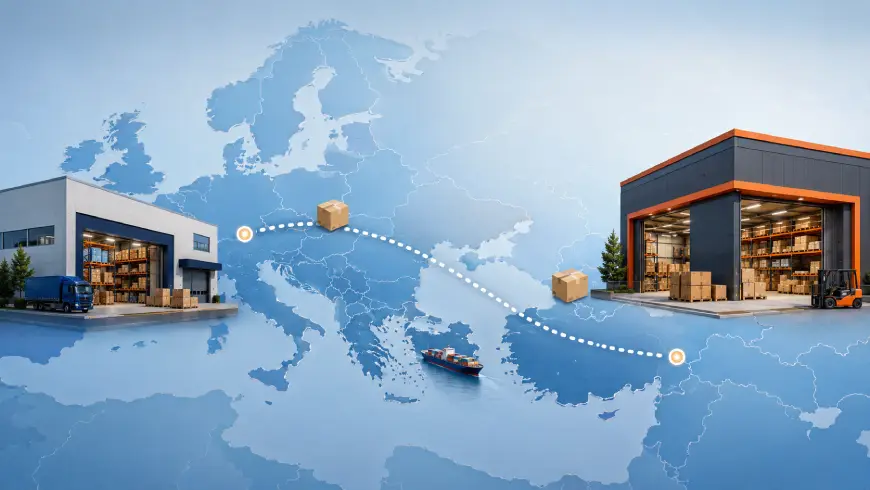
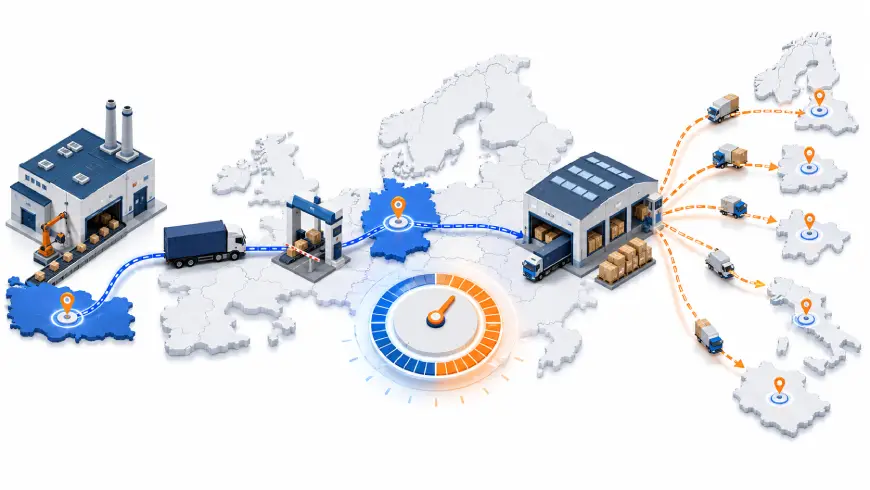
However, this approach fails when a launch spans multiple countries. For example, a brand making products in Turkey for Europe must handle customs, international transit, and delivery to a European warehouse before the release date. Each step can cause delays. After release, orders go to various carriers. Each carrier has different cut-off times and customs issues.
This guide covers pre-order and launch fulfillment for exactly that situation. In these cases, the launch is cross-border and the inventory lane runs through customs. “Release day” becomes a coordination problem across two countries, not just one warehouse’s cut-off time.
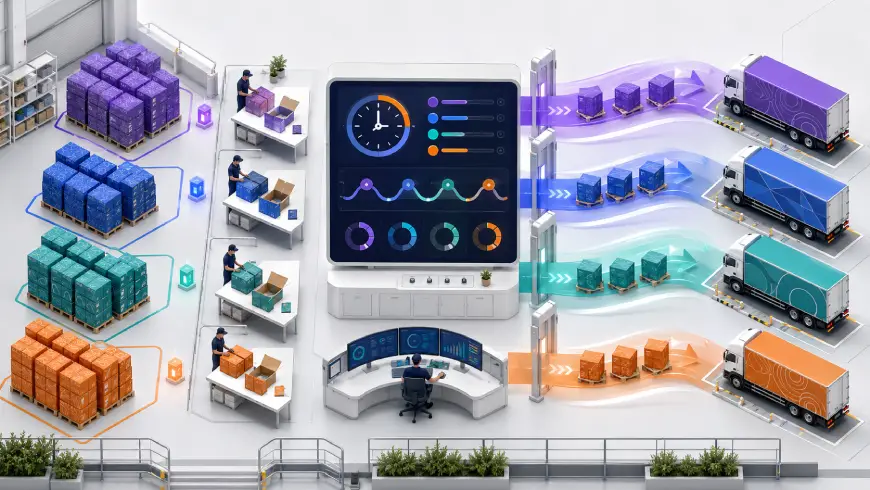
Table of Contents
What Makes Pre-Order Fulfillment Different
How It Differs from Standard Fulfillment
Standard fulfillment ships orders quickly after they’re received. The main focus is speed. However, pre-order fulfillment is the opposite. Orders come in before inventory is available. Because the goal is precise timing, pre-order fulfillment requires orders to be held and shipped on a set date. This makes the process unique.
This creates a new inventory challenge. Specifically, pre-order inventory can be committed (already sold), available (ready to sell), or incoming (not yet arrived). Standard tracking doesn’t cover all three. As a result, this risks over-committing or overselling before production is done.
It is also important to distinguish pre-orders from backorders. A backorder refers to an existing product that is temporarily out of stock. The expectation is imminent restocking. In contrast, a pre-order is for a product with a specified future availability date that has not yet shipped. Because confusing these two in the storefront can mislead customers, it may result in incorrect inventory processing.
Which Brands Use Pre-Order Fulfillment
Pre-orders are common when demand builds before a product is available. Supply is often limited. This includes seasonal apparel drops, special beauty launches, and electronics with high demand. Limited editions, where scarcity is part of the appeal, are another example. Brands in these categories benefit most from effective pre-order fulfillment.
These products see demand peak at or before launch. This makes fulfillment tricky. Instead of spreading out, demand surges on release day. For this reason, any issues in inventory or shipping become immediately visible.
Inventory and Supply Planning for Pre-Order Fulfillment
Estimating Demand Before Launch
Pre-orders provide real demand data, not just forecasts. This is vital for cross-border launches where mistakes are costly. For example, producing too little causes stockouts. Producing too much means expensive excess. Using pre-order data helps plan production and shipments accurately. As a result, this makes pre-order fulfillment more predictable.
Managing Supplier Delays — and Customs Delays
Supplier delays are the main risk for domestic launches, but cross-border launches add extra timing risks that standard guides often miss.
After production, goods must travel internationally and clear customs before launch. However, each stage can be delayed. For instance, shipping takes four to seven days. Customs can be slowed by paperwork or inspections.
Cross-border launches need a bigger time buffer between goods being ready and the release date. Don’t announce the launch until inventory is cleared and received. Announcing early often causes problems if there are border delays.
Set the release date only after confirming inventory is in the destination warehouse. Do not rely only on production estimates. For important launches, wait until goods are in the system before making the date public.
How to Run Pre-Order Fulfillment Operations on Launch Day
Preventing Order Backlogs
Launch day problems rarely come from slow picking. The real issues are usually delays in checking in inventory, order congestion, or missing carrier pick-up times. Even with all items on hand, launches can fail. For example, if inventory isn’t ready in the system or orders miss cut-offs, problems will occur.
To avoid problems, organize tasks before launch day. Inventory should be received and checked in well ahead of release. Plan pick paths to prevent congestion and align carrier pickup schedules so packed orders meet deadlines.
Prioritizing and Releasing Orders in Waves
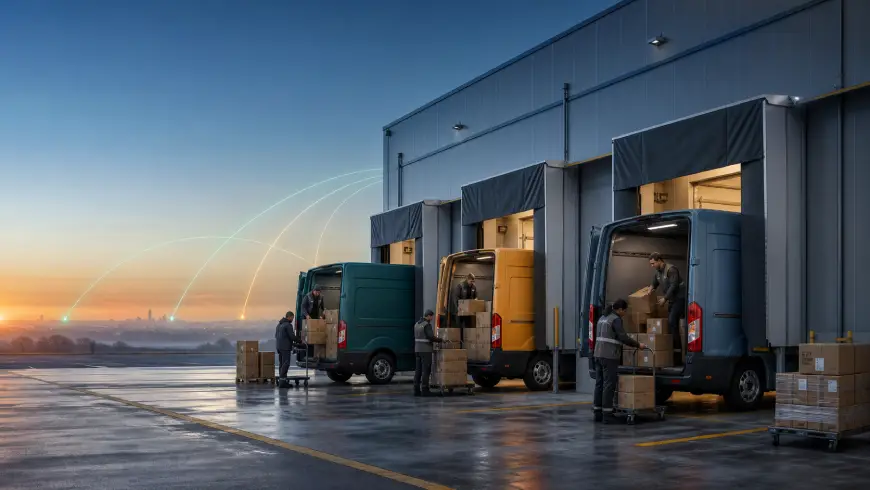
Releasing all orders at once creates congestion and missed cut-offs. Use a wave-based strategy: send orders in batches. For cross-border launches, also consider carrier and destination. Align each batch with the right carrier’s pickup time. This will help ensure that no orders miss their window.
Split shipments can be costly. Set clear rules: decide if in-stock items should wait for the launch product or ship separately. Without policies, split shipping becomes default and drives up costs during big launches.
Why Customer Communication Matters in Pre-Orders
A pre-order is a trust agreement: the customer pays early, expecting delivery by a set date. If delays happen, brands must keep trust with proactive updates.
Setting Clear Shipping Time Expectations
To reduce support load and confusion, always state the expected shipping date clearly. For example, customers who know when to expect their order are less likely to contact support or return items out of confusion.
For cross-border launches, set shipping dates based on actual delivery times to each country. Don’t use a single timeline for all regions; reflect longer transit for some destinations.
Updating Customers About Delays Proactively
Cross-border inventory lanes have greater delay risks than domestic ones. This makes proactive communication about delays even more critical. If customs or freight delays affect inventory arrival and the release date, brands should inform pre-order customers before they notice the delay. Proactive updates about new delivery dates help maintain customer trust. In contrast, a lack of communication followed by a missed date undermines trust.
Good communication depends on timely inventory updates. Brands need real-time info about goods—produced, shipped, in customs, or received—to warn customers of possible delays. Fulfillment partners who share inbound status enable proactive communication.
Packaging Strategy for Product Launches
Using Special Packaging for Hype Products
Special packaging for launches increases customer excitement. Limited or flagship releases create anticipation, so a unique unboxing experience makes the wait memorable for pre-order buyers.
Launch packaging requires planning. Order all components before release and match their quantities to pre-orders. Prepare kits in advance or as part of launch-day workflow. Running out or assembling last minute can hurt the experience and cause delays.
Adding Inserts and Extras to Build Buzz
Inserts like thank-you notes, discounts, or small gifts make launches special and encourage repeat purchases. For early supporters, a special insert rewards their loyalty and increases future engagement.
Prepare these extras in advance, matching them to pre-order volumes and including them in the packing workflow to avoid shortages or disruptions.
Reviewing Launch Fulfillment Performance
Which Metrics Should Be Reviewed
Product launches are perfect for measuring performance. Track key metrics like percentage of pre-orders shipped on time, order accuracy, missed carrier cut-offs, inbound lane delays, and split-shipment rates.
For cross-border launches, tracking inbound-lane timing is crucial because it’s the biggest risk. If goods barely clear customs on time, treat it as a warning, not a success.
Applying Lessons to Future Releases
Reviews should create specific action items, not vague observations. For example: ‘Move ATR.1 documentation two weeks earlier to avoid customs delays.’ Or, ‘Sequence international orders first to avoid missed cut-offs.’
Brands that run pre-orders can often build a reliable launch playbook. Documenting and standardizing cross-border challenges turns them into an advantage over less experienced competitors.
Pre-order fulfillment and launch fulfillment focus on timing, not just speed. This is especially important for cross-border launches. Successful brands set release dates after confirming inventory. They also sequence by carrier and destination, and manage inbound risks. When pre-order fulfillment is executed well, cross-border launches can offer a reliable, high-trust experience.